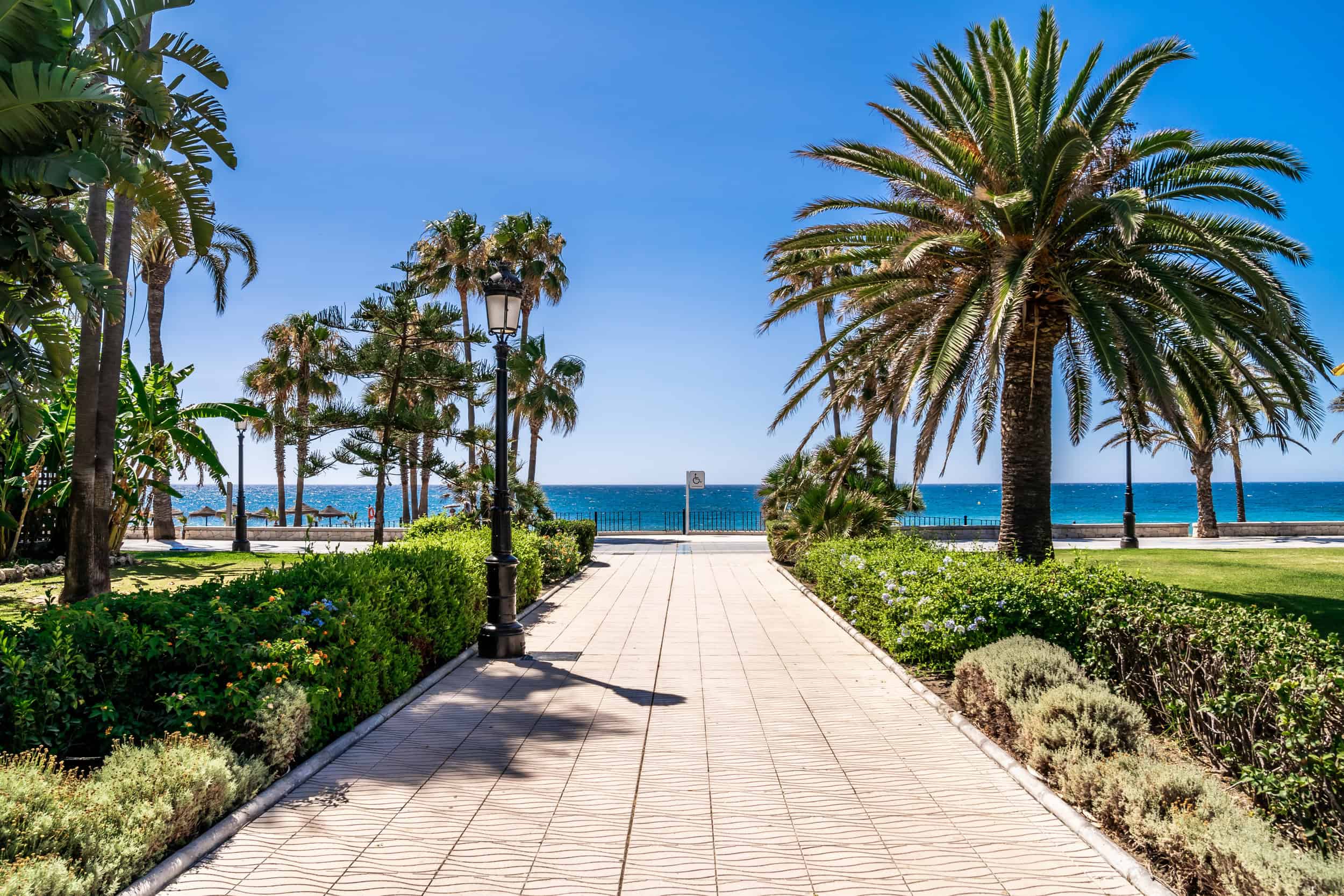
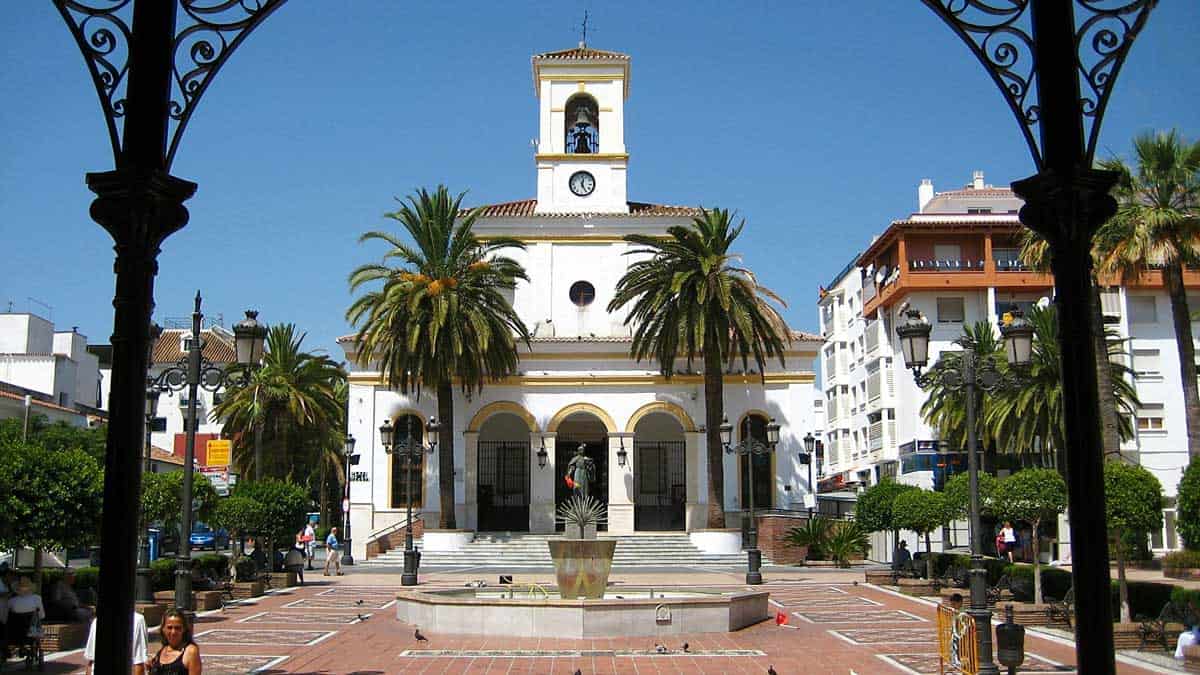
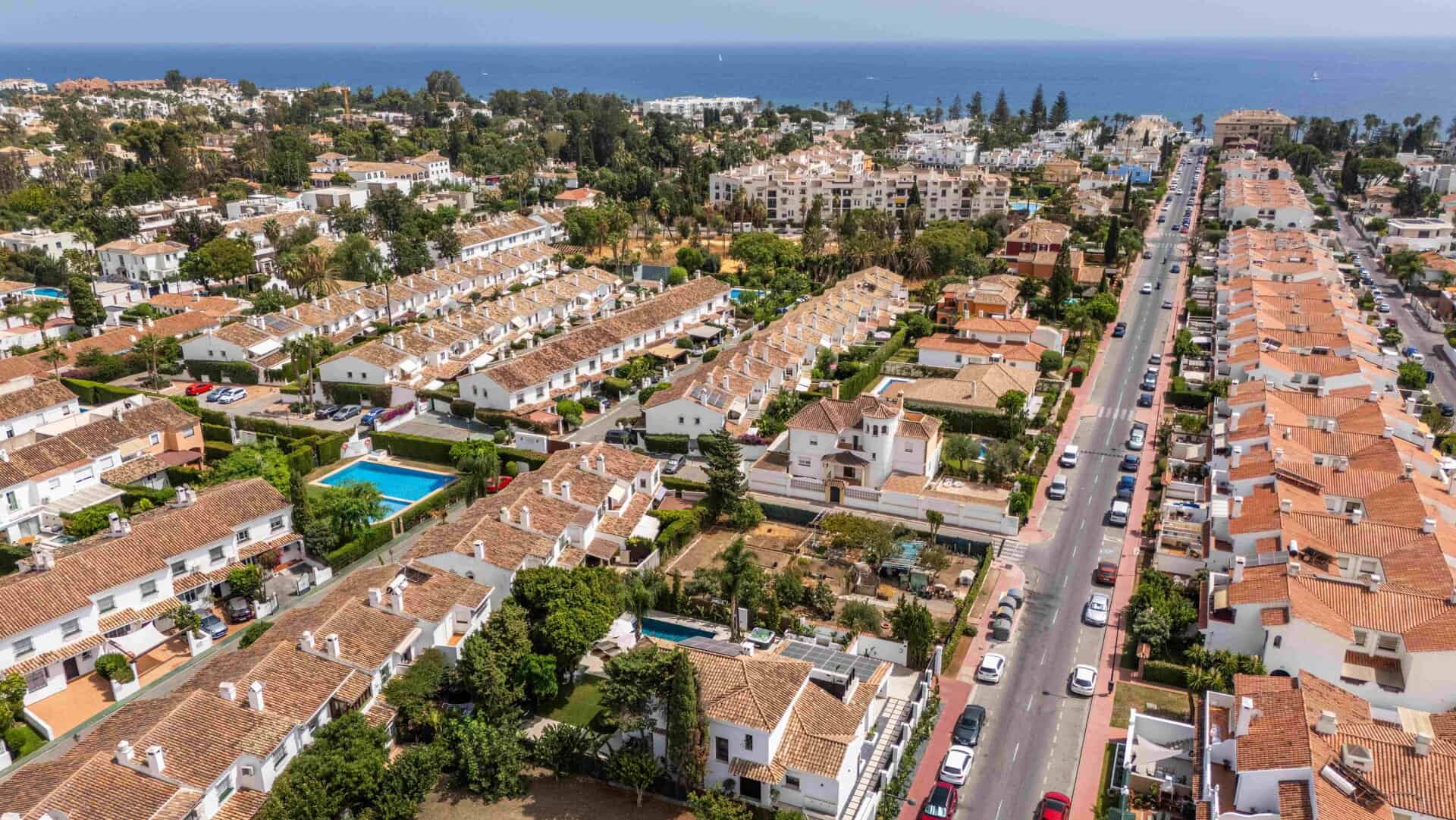
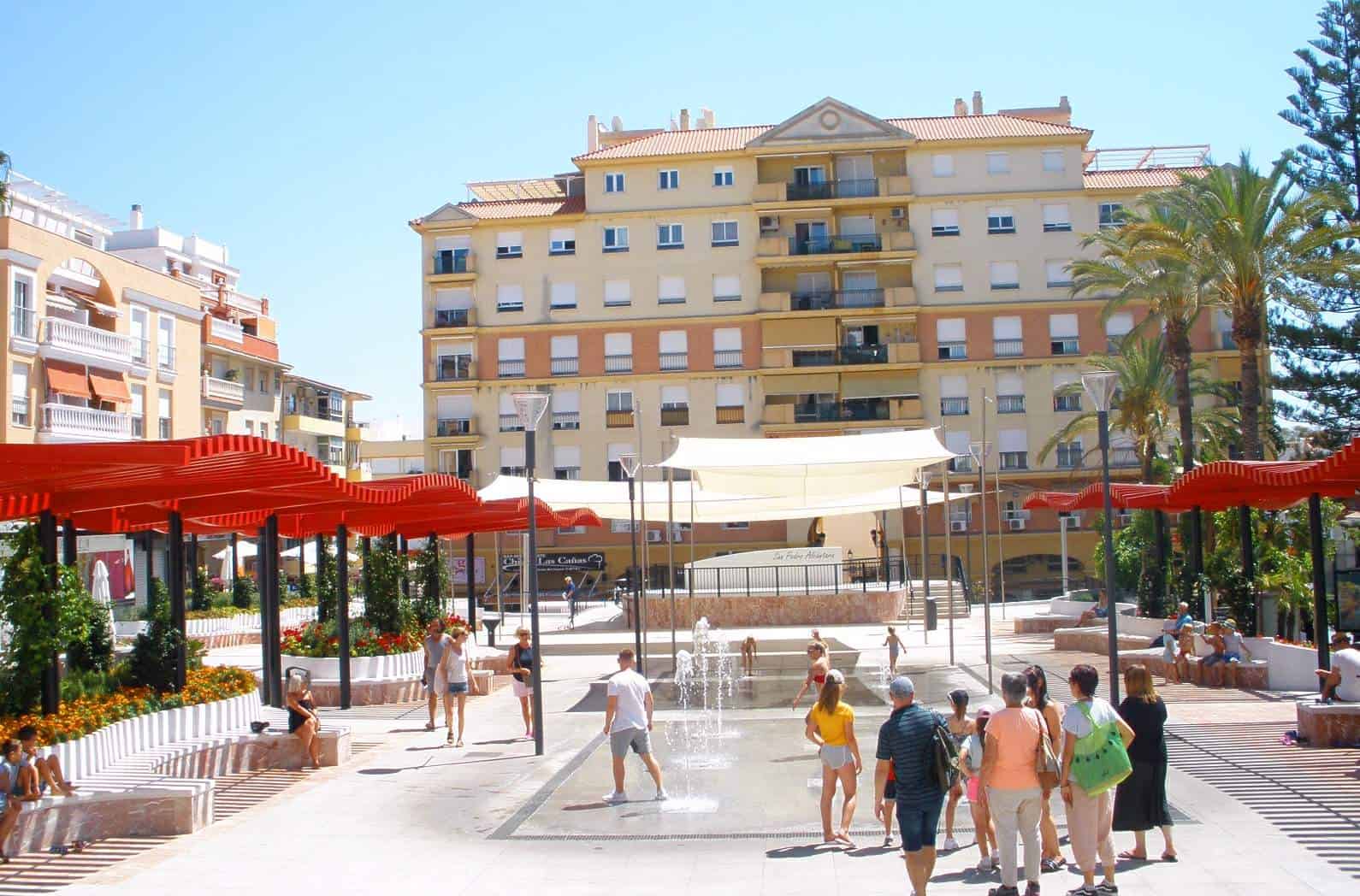
San Pedro de Alcántara is a town — in the full, proper sense of the word — in a way that most addresses covered in these guides are not. It has a central square, a church, a town hall, a police station, a market, a high street of pedestrianised shops and cafés, schools, medical facilities, sports clubs, an industrial area and an increasingly sophisticated beachside residential zone. It is, administratively, part of the Marbella municipality, but in character and in the daily experience of living here, it functions as its own entirely self-contained community.
This completeness is San Pedro's defining quality. For the large surrounding network of residential communities that use it as their local hub — Guadalmina, La Quinta, Los Arqueros, La Heredia, El Madroñal, La Zagaleta and others — San Pedro provides everything that those prestigious but exclusively residential estates do not have on-site: food shops, pharmacies, banks, hairdressers, specialists, schools, the weekly market, the spontaneous coffee and the familiar face of the shopkeeper who knows your order. The town services an area well beyond its own boundaries and is well aware of the role it plays.
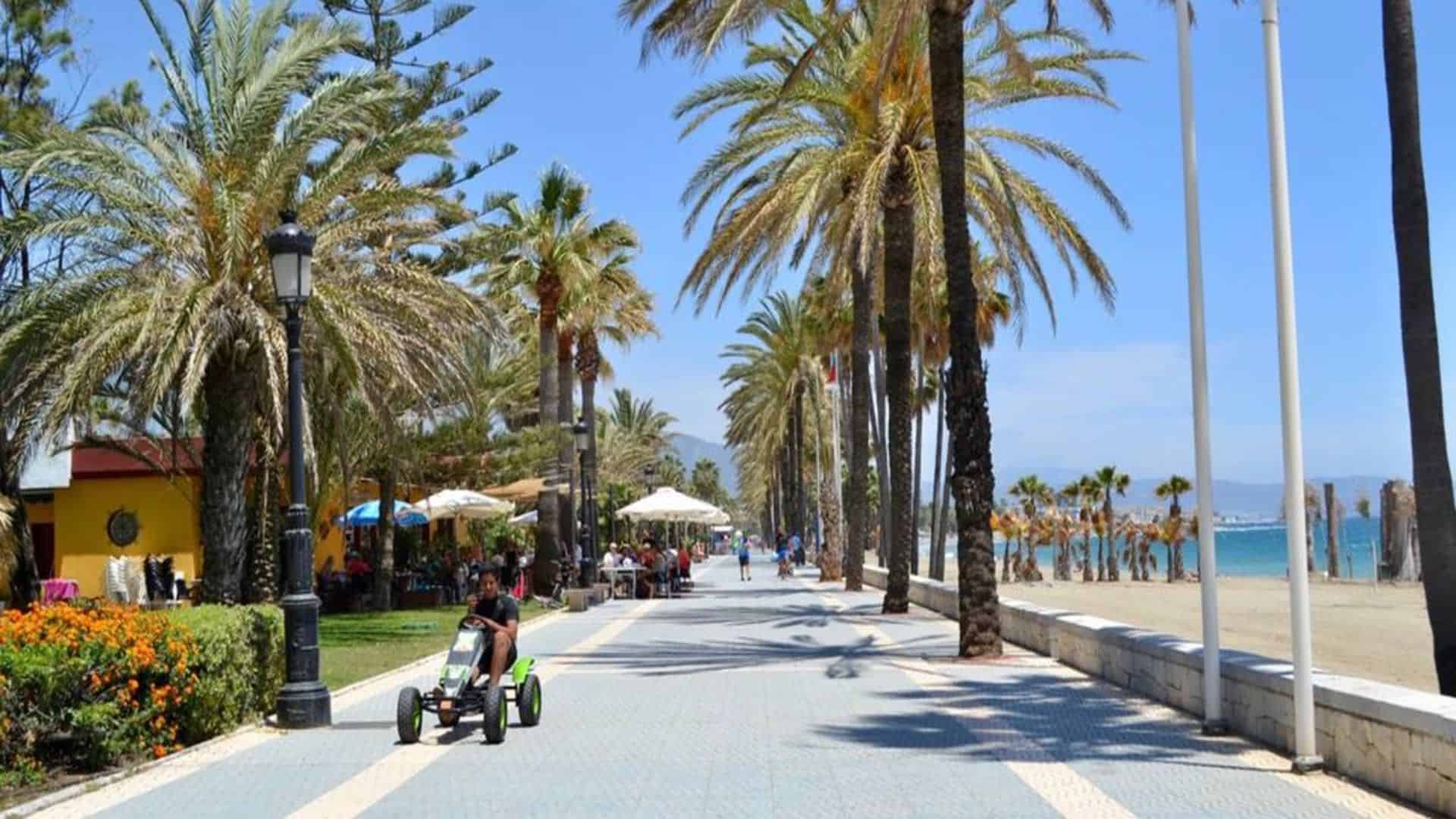
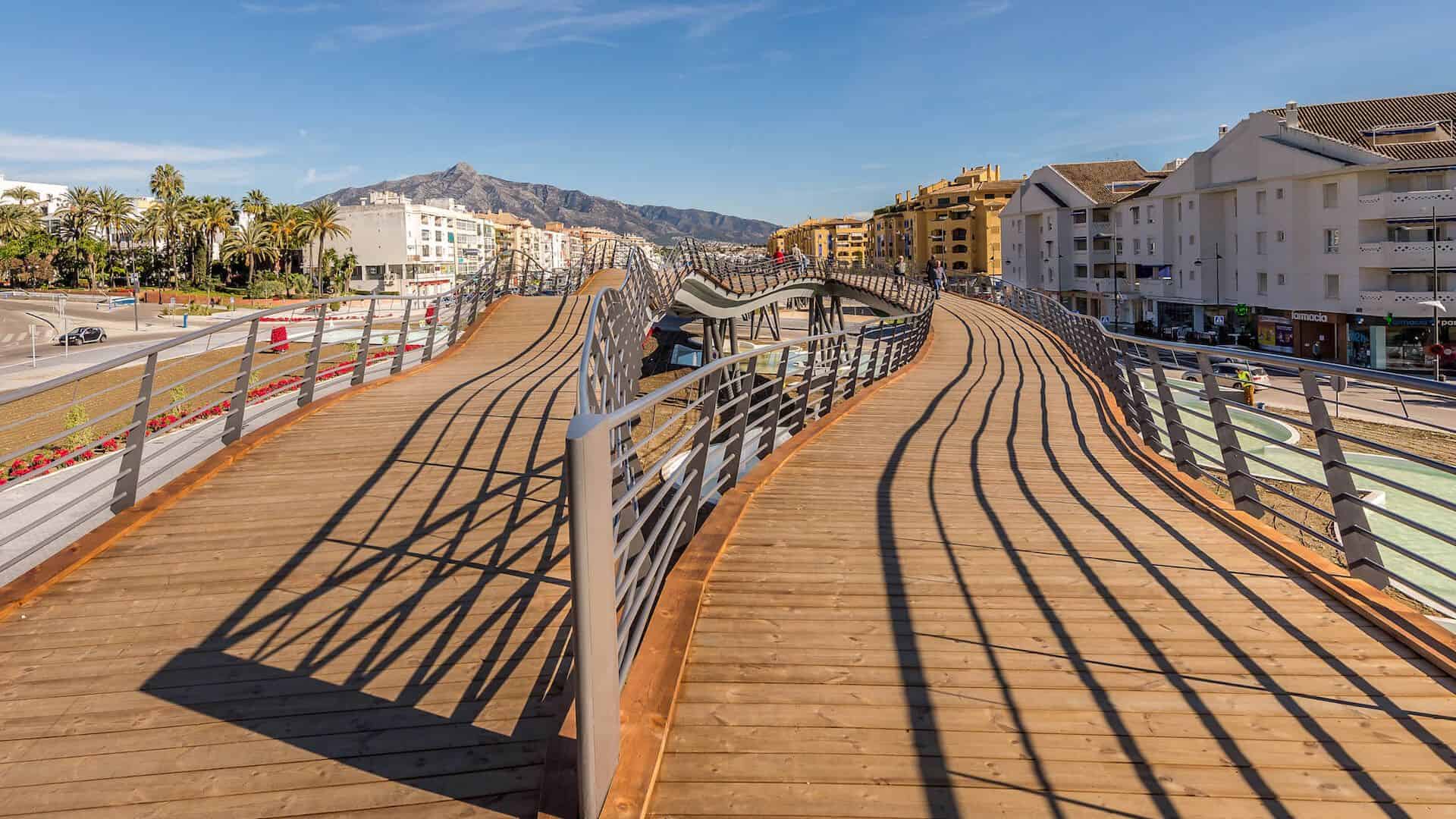
In recent years, San Pedro has also undergone a genuine qualitative transformation of its own — one that is distinct from the luxury market development happening around it. The Boulevard, a remarkable piece of urban infrastructure completed in 2012, transformed the town's relationship with the sea. The beachside districts of Nueva Alcántara, Cortijo Blanco and Jade Beach have attracted a new generation of design-conscious buyers who want Marbella-quality living at San Pedro prices. The old town has seen a renaissance in its restaurant and café scene. San Pedro is growing up, without losing what made it worth discovering in the first place.