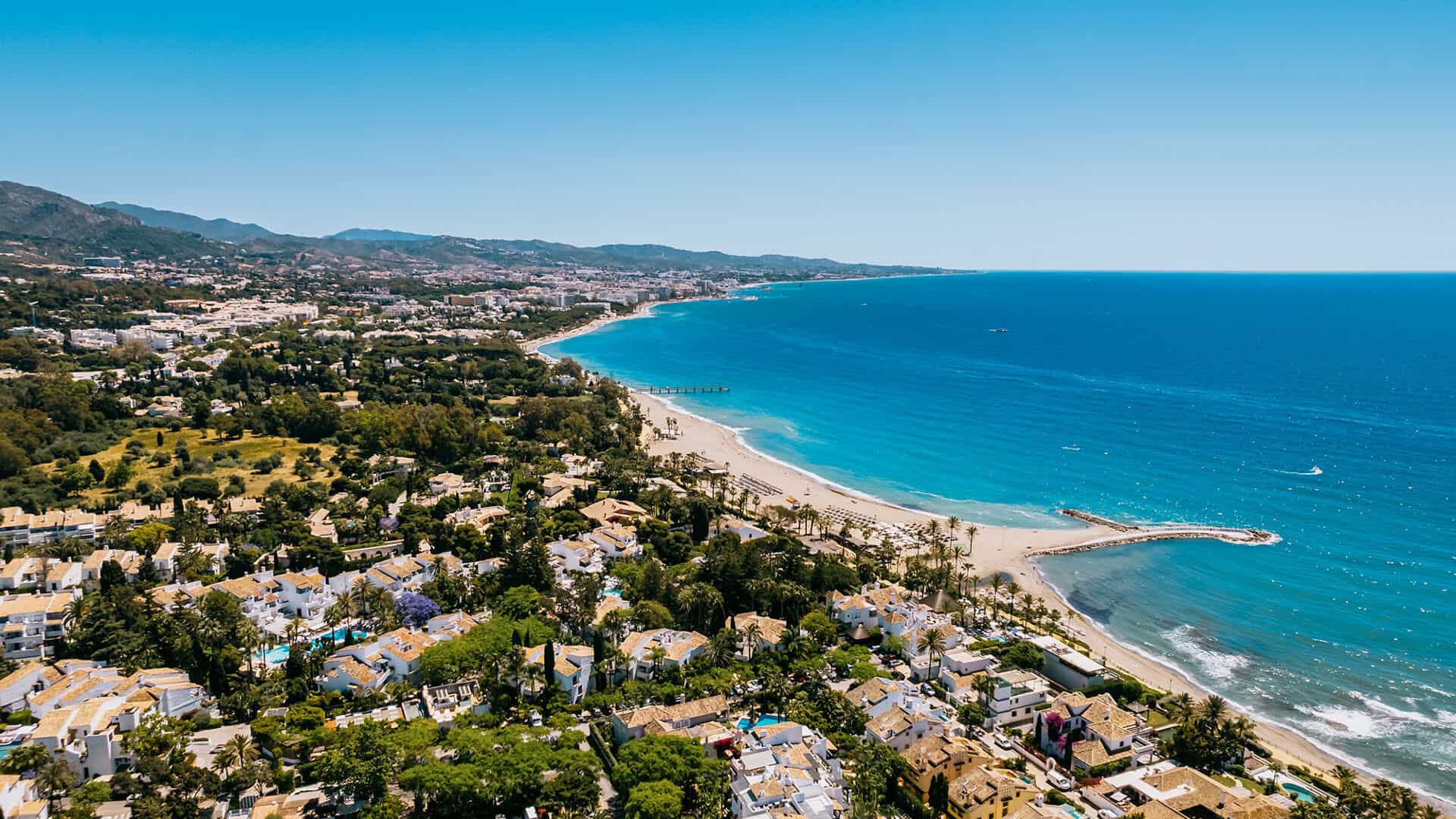
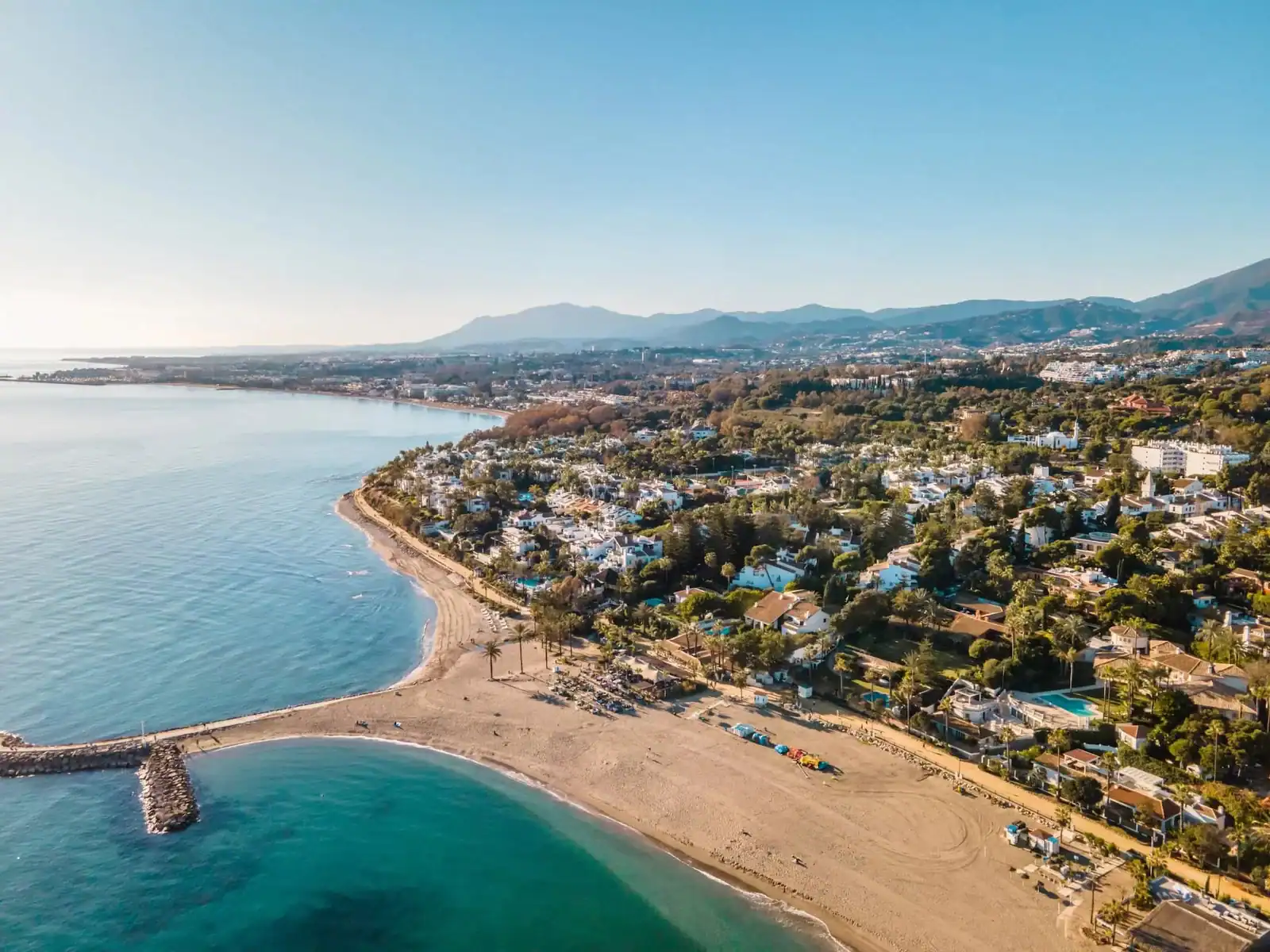
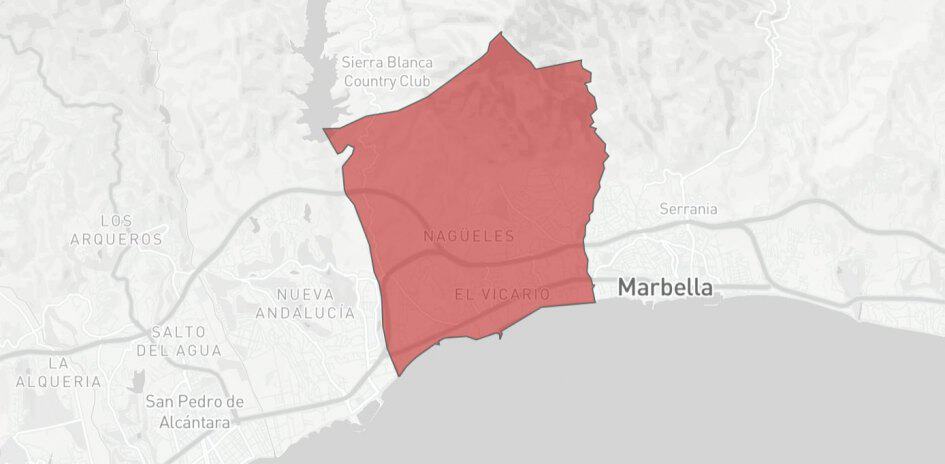
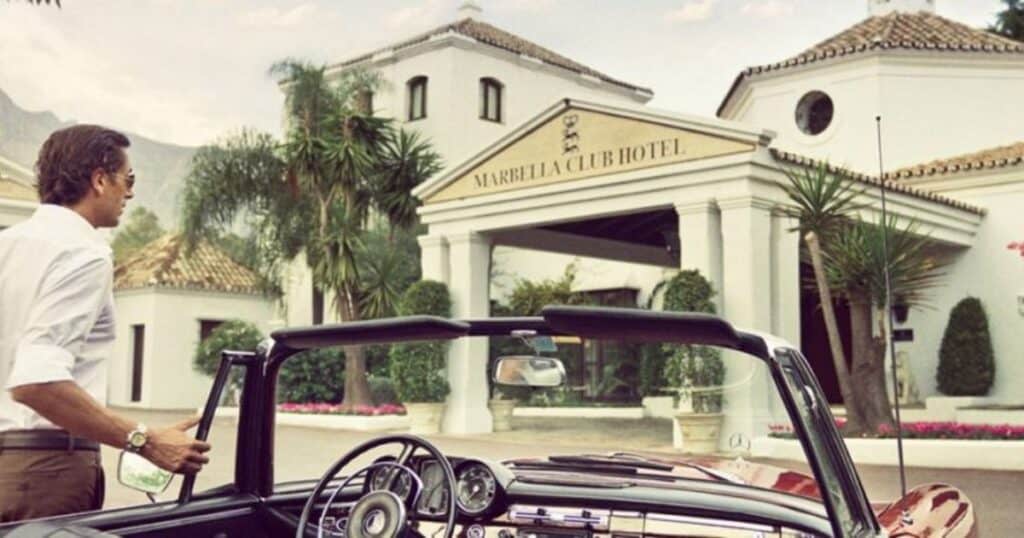
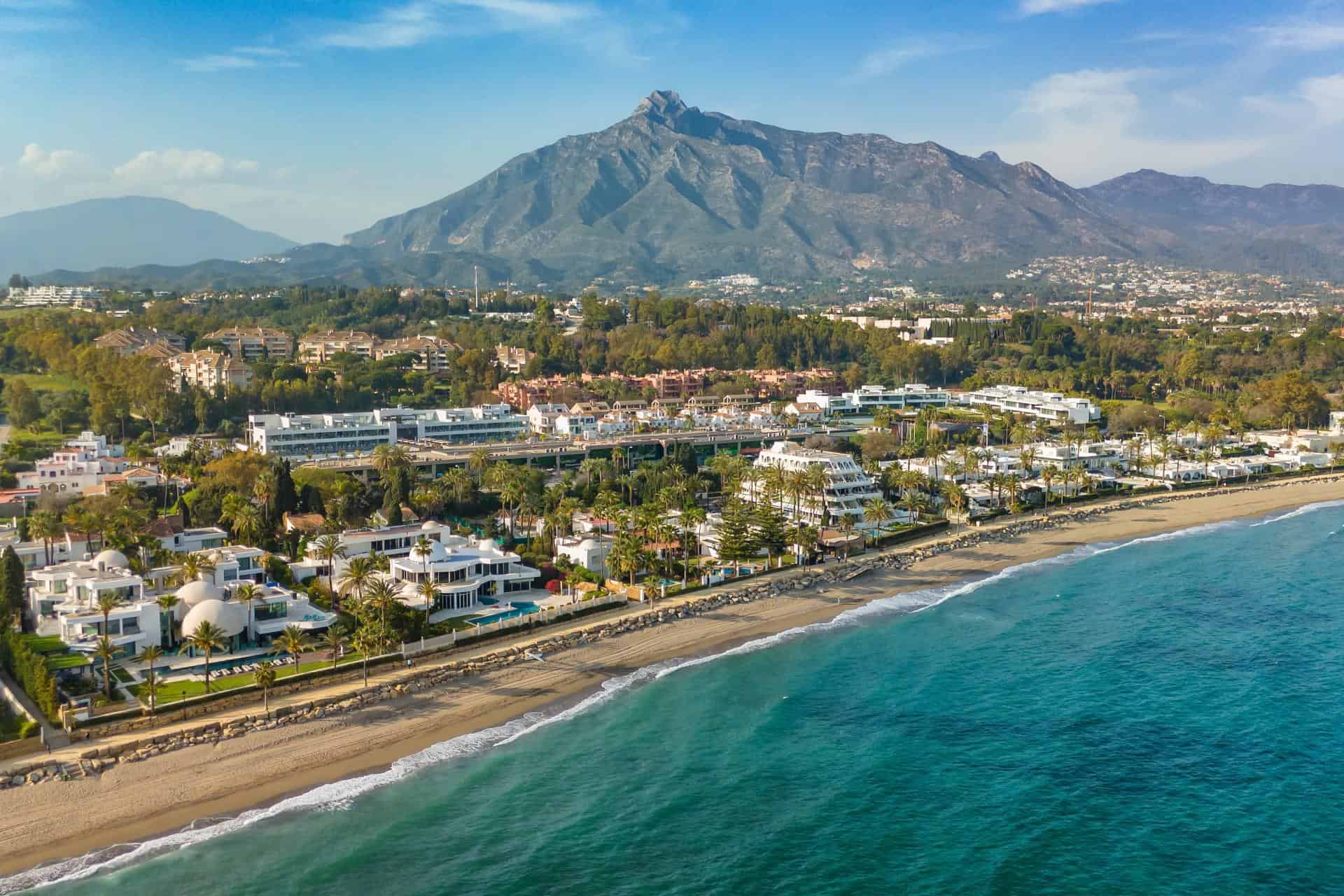
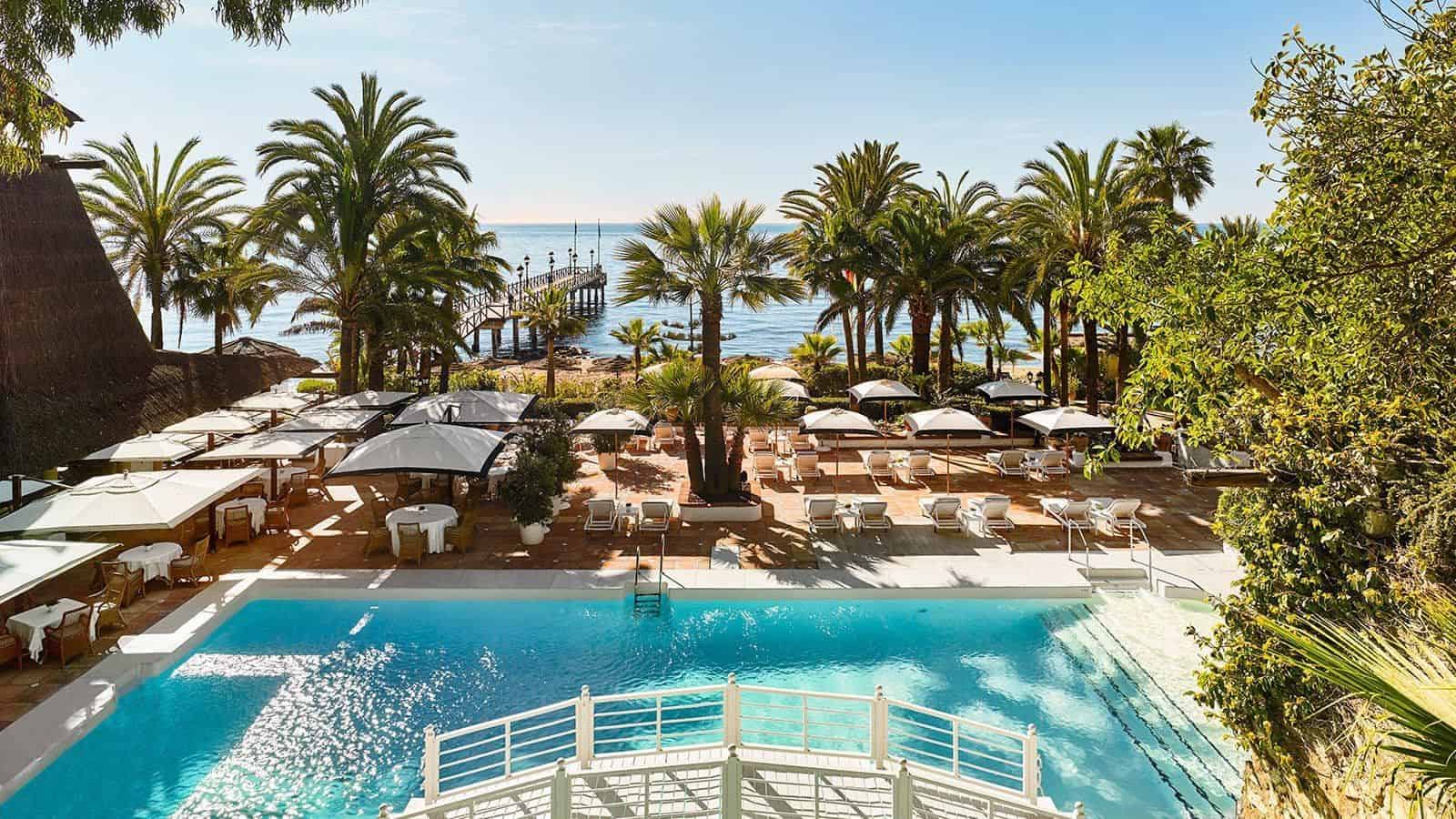
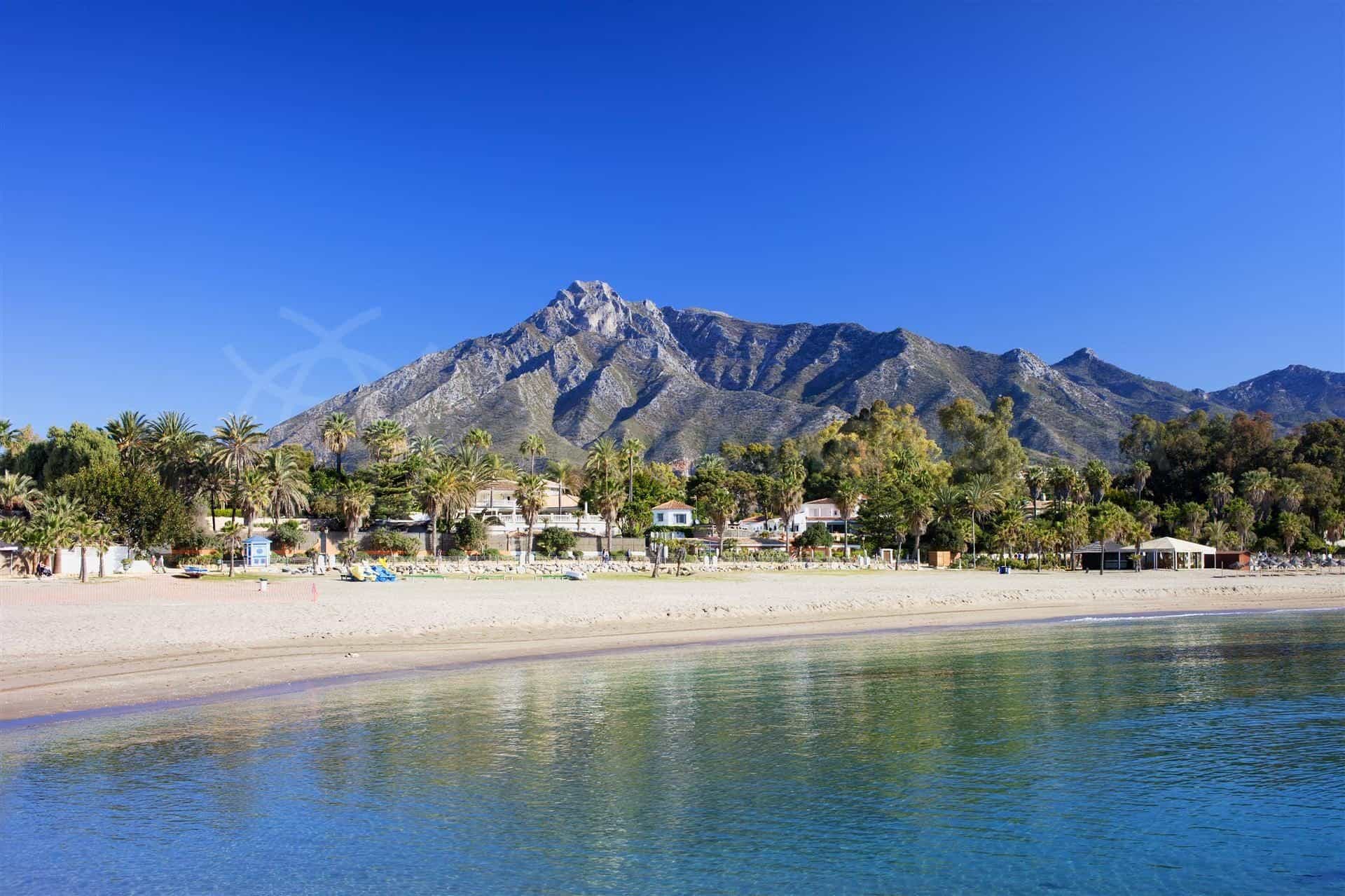
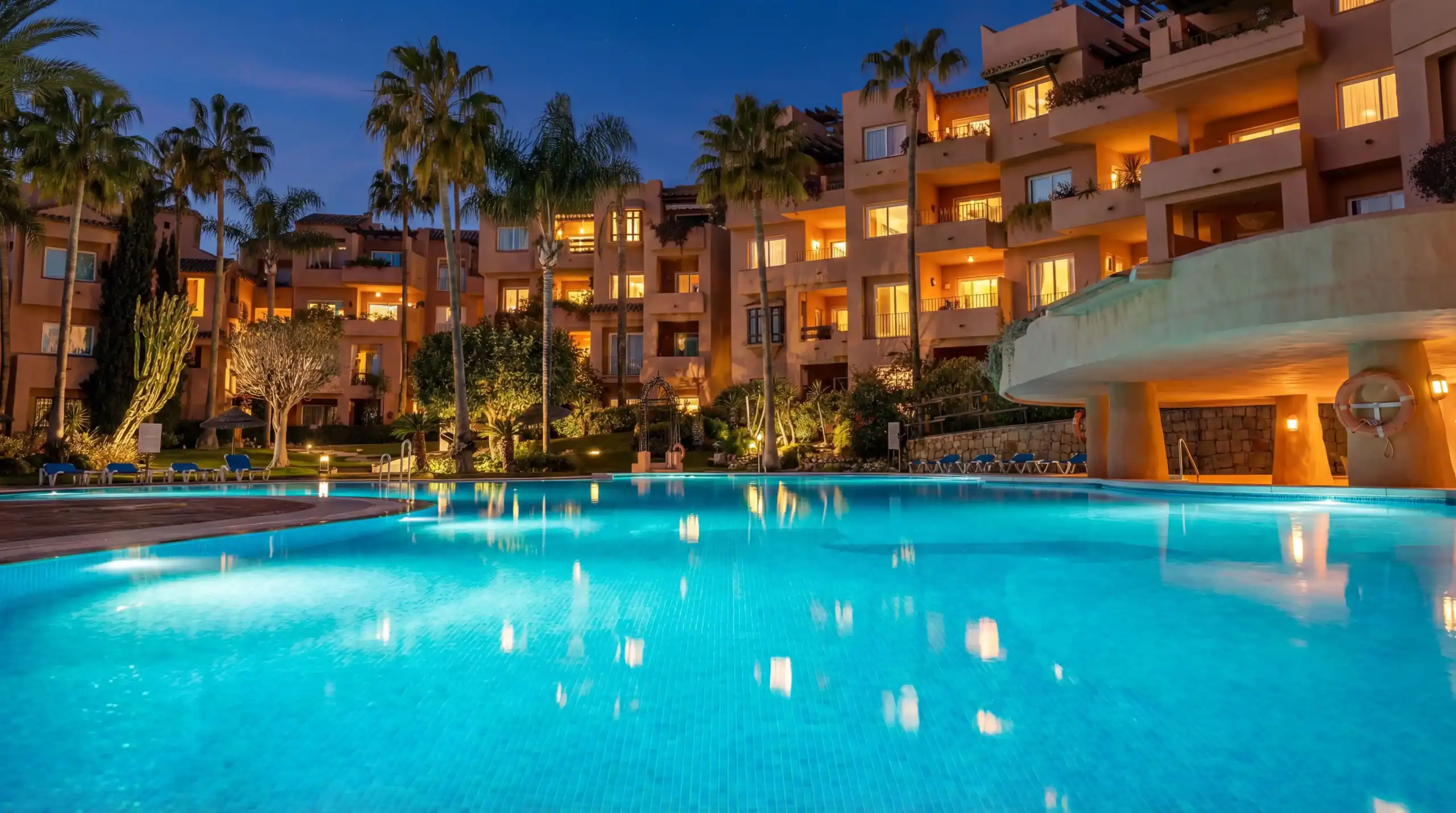
The Golden Mile's story begins in 1954, with a single act of visionary hospitality. Prince Alfonso von Hohenlohe-Langenburg, an aristocrat of German and Spanish heritage who had settled in Marbella after the Second World War, acquired the Santa Margarita estate on the coastal road west of the town and transformed it into the Marbella Club Hotel. His intention was deliberate: to create a destination so refined, so removed from the pressures of post-war Europe, that the continent's most distinguished families would have no reason to look anywhere else for their summer.
They came. Ava Gardner, Deborah Kerr, Omar Sharif, Sean Connery, Cary Grant, Liza Minnelli — the guest list of the early Marbella Club reads as a roll call of mid-century glamour. The Bismarcks, Rothschilds, Thurn und Taxis, Metternichs and Thyssen-Bornemisza families built or acquired villas along the road. The Puente Romano Hotel opened in the 1970s and quickly became as celebrated as the Marbella Club itself. The name La Milla de Oro — coined by Roy Boston to describe the concentration of luxury along this corridor — entered the lexicon of European high society.
The most monumental addition came when the late King Fahad of Saudi Arabia constructed his summer residence here: a palace of some 20 hectares, its design modelled closely on the White House in Washington. The King Abdul Aziz Mosque, commissioned by Prince Salman in the king's honour and designed by Spanish architect Juan Mora Urbano, stands nearby on the N-340 — a landmark visible from the road and one of the most architecturally distinctive buildings on the entire Costa del Sol.
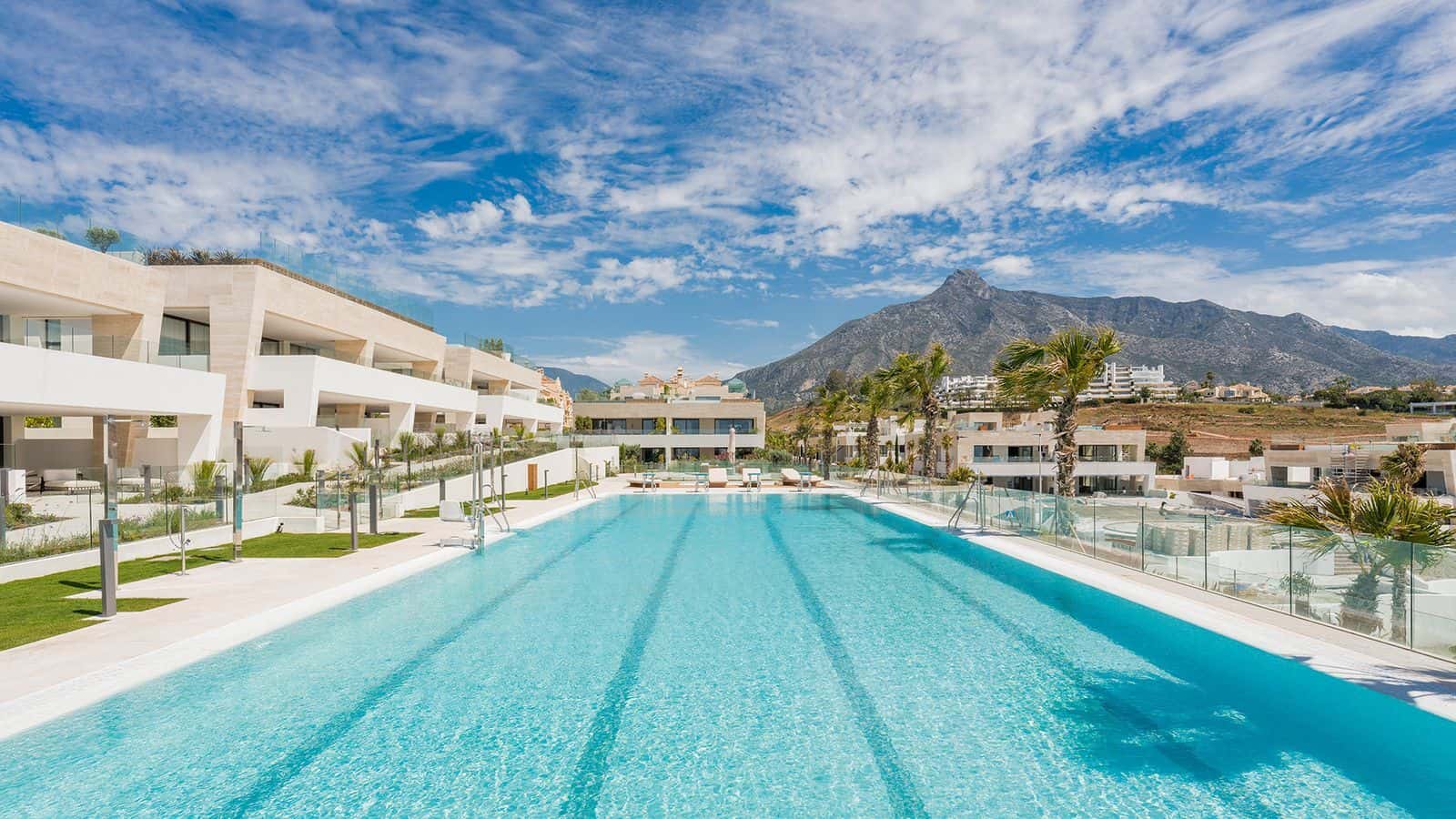
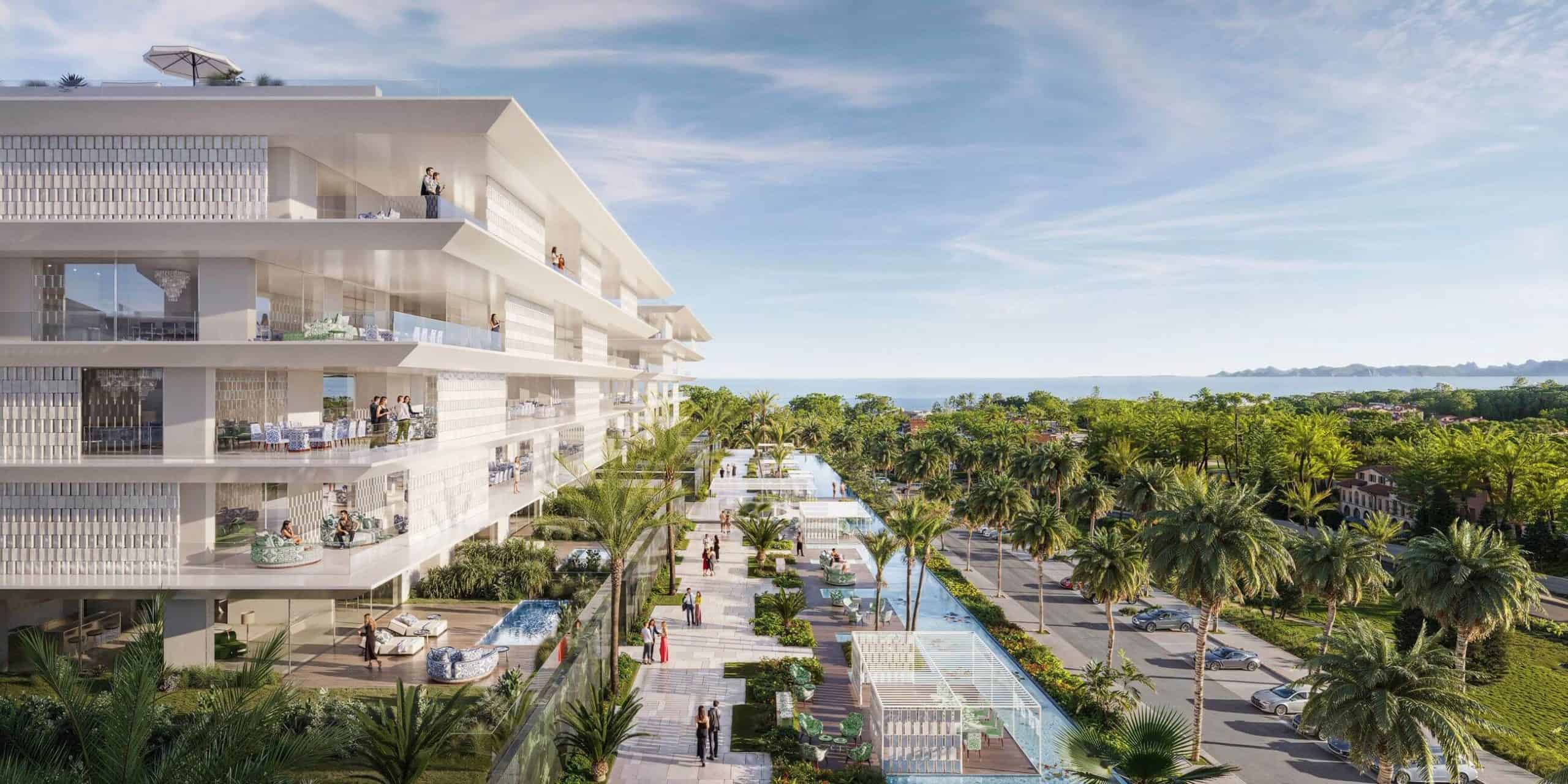
The decades since have brought evolution rather than transformation. New developments of extraordinary ambition have arrived — branded residences, landmark contemporary architecture, estate-level new builds — but the Golden Mile's essential character has remained intact: discreet, beautiful, and thoroughly serious about the quality of private life it offers.