Area Guide

Benahavís

Benahavís — mountain village, Costa del Sol

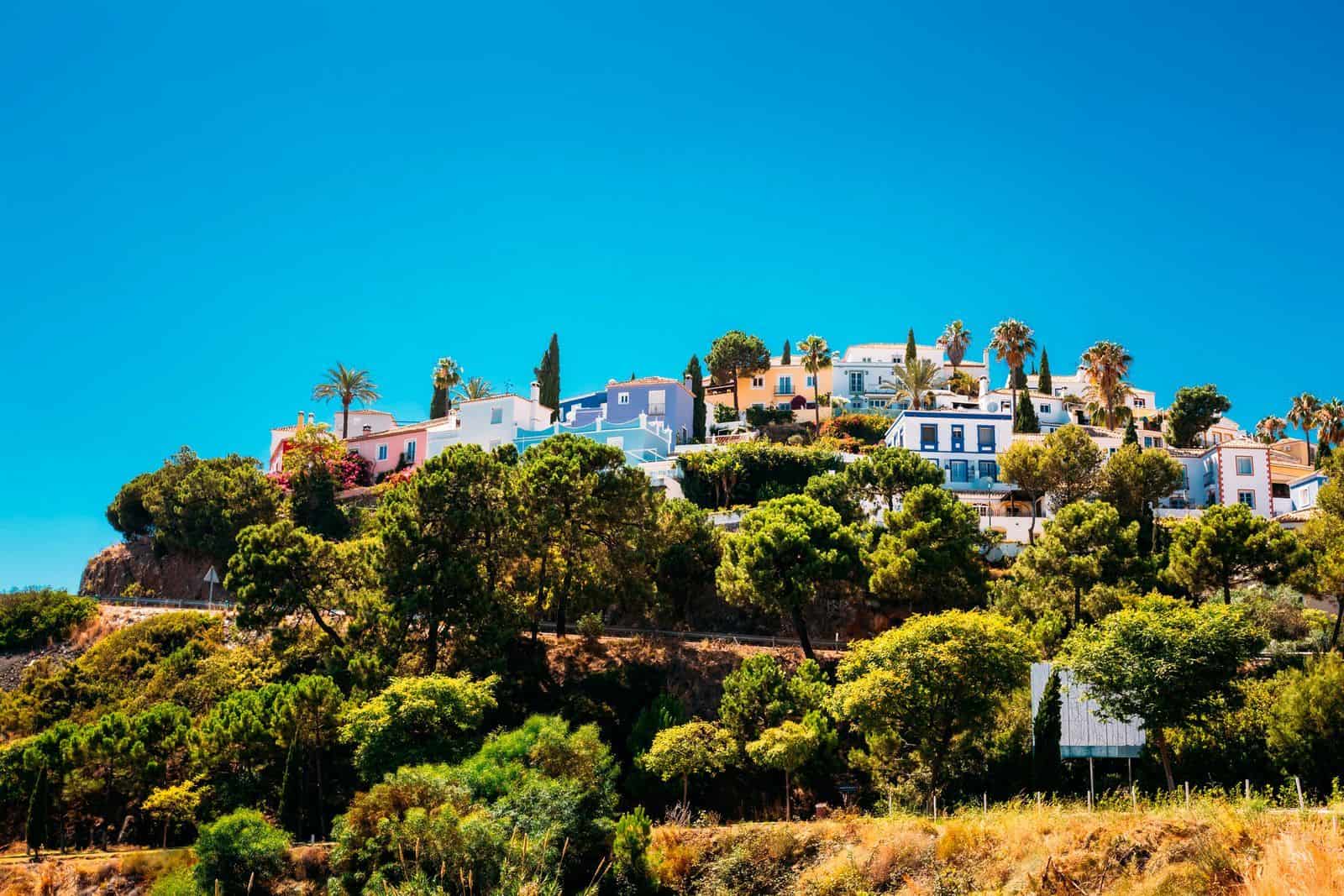
Benahavís is the Costa del Sol's best-kept secret — and increasingly, its most coveted inland address. A whitewashed Andalucian mountain village at its heart, and one of the wealthiest municipalities in Spain by any measure, it combines 75% protected natural land with an extraordinary concentration of luxury residential estates, 12 golf courses, and a gastronomic scene that has earned it the title of the dining room of the Costa del Sol. All of this within 20 minutes of Marbella and the beach.

01

Overview

Overview of Benahavís

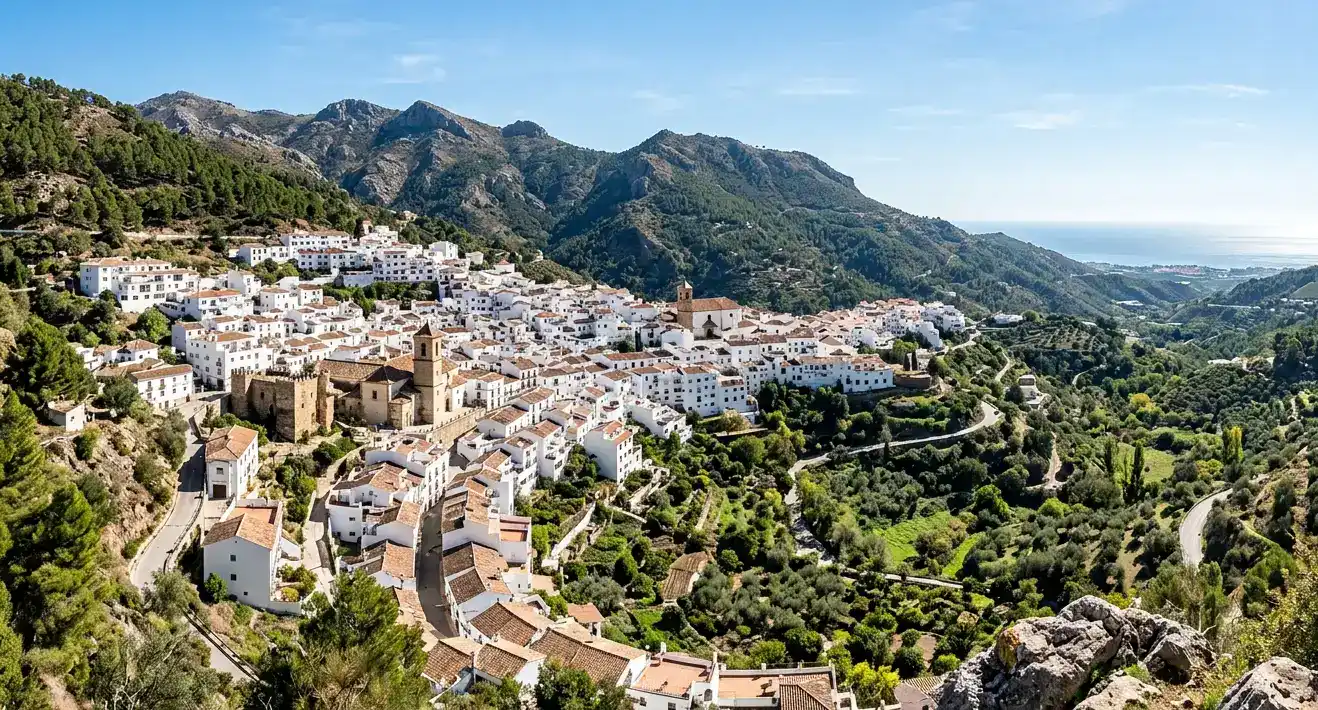
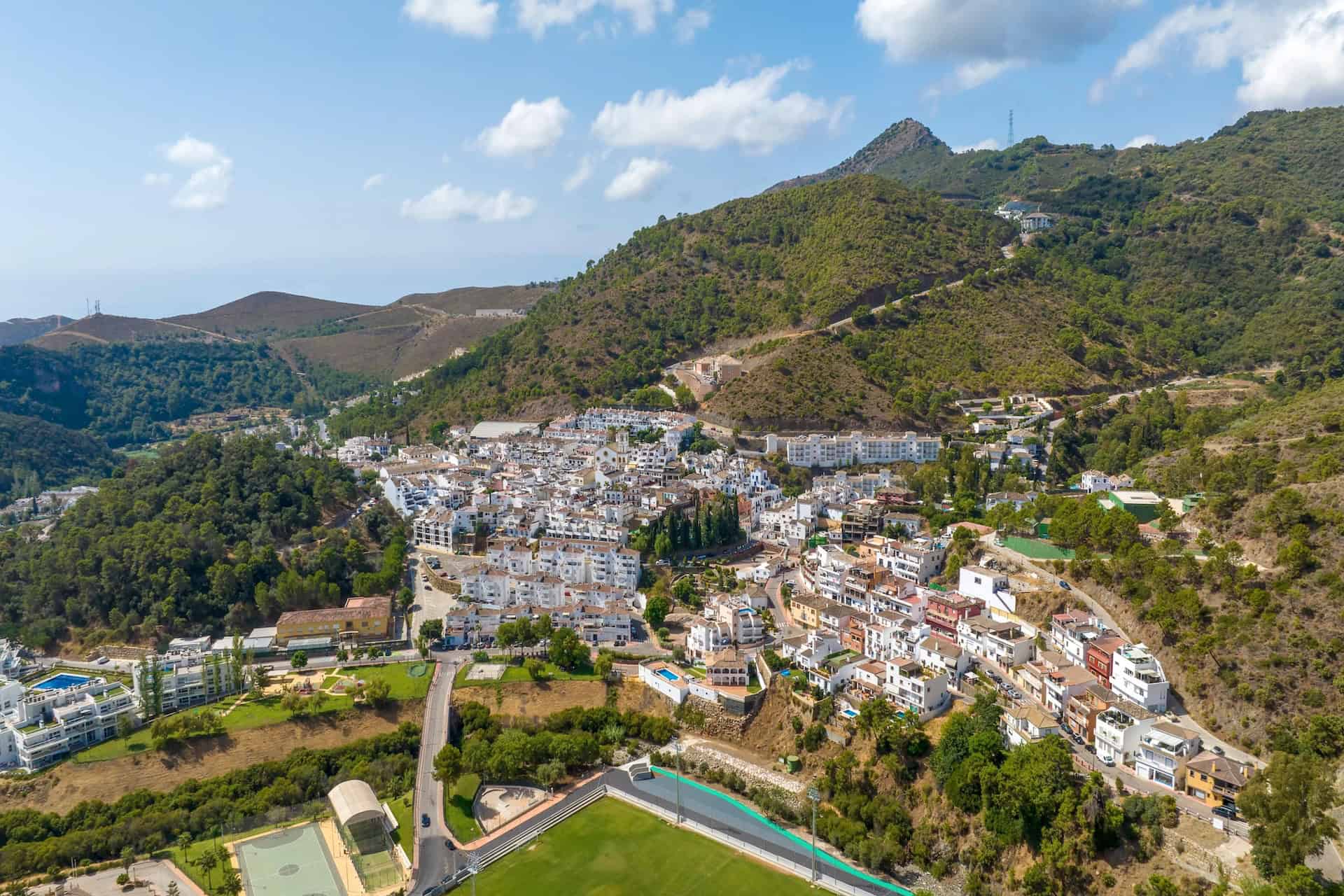
Benahavís is a municipality of remarkable contrasts. Its administrative centre is a small Andalucian mountain village — whitewashed, narrow-streeted, genuinely charming — perched in the hills of the Serranía de Ronda at around 150 metres above sea level. But the municipality it governs extends across approximately 150 square kilometres, reaching from the foothills above Marbella and Estepona almost to the mountains of the interior, and it is within that larger territory that some of the most prestigious residential addresses on the entire Costa del Sol are found.

La Zagaleta, El Madroñal, La Quinta, Los Flamingos, Marbella Club Golf Resort, Monte Mayor — these are not simply developments within Benahavís; they are the reason Benahavís ranks among the wealthiest municipalities in Spain per capita. The combination of protected natural setting, low-density development, world-class golf infrastructure and easy access to the coast has made the Benahavís municipality the destination of choice for buyers who want the full Costa del Sol lifestyle without the density and noise of the coast itself.

The municipality is part of what is known locally as the Golden Triangle — the trio of Marbella, Estepona and Benahavís that together form the most internationally recognised luxury residential zone in Spain. Of the three, Benahavís is the one that gives up the most to nature and asks the most from its residents in return — in terms of the commitment to a quieter, more removed way of life. For those who are drawn to that proposition, it is without equal.

02

Location & Access

10 min

to San Pedro de Alcántara

15 min

to Puerto Banús

60 min

to Málaga Airport

150 km²

municipality area

Benahavís location and access

Benahavís village sits 7 kilometres inland from the coast, reached via the A-397 road that branches north from the N-340 between San Pedro de Alcántara and Estepona. The drive from the village into San Pedro takes around 10 minutes; Puerto Banús is approximately 15 minutes. Marbella town centre is around 20 minutes depending on traffic, and the AP-7 motorway — the main artery of the Costa del Sol — is easily accessible from multiple points across the municipality.

Málaga Airport is approximately 60 minutes away by road — slightly further than from central Marbella, owing to the inland position, but still comfortably within range for regular use. Gibraltar Airport, around 70 kilometres to the west, is approximately an hour along the coastal road and provides a useful alternative for those travelling to or from the UK.

Within the municipality, distances are significant. The major residential estates — La Zagaleta, El Madroñal, Monte Mayor, Los Flamingos — are spread across a large geographical area and require a car for all practical purposes. The village itself has no meaningful public transport connection to the coast, and residents of the larger estates are entirely car-dependent. This is a structural reality of life in Benahavís that prospective buyers should factor into their decision — it is a feature of the lifestyle rather than a deficiency of the infrastructure.

For those with private aviation, the municipality's most prestigious estate — La Zagaleta — has its own helipad, placing Málaga Airport at approximately 15 minutes by air and the Sierra Nevada at around 45 minutes.

03

History

History of Benahavís

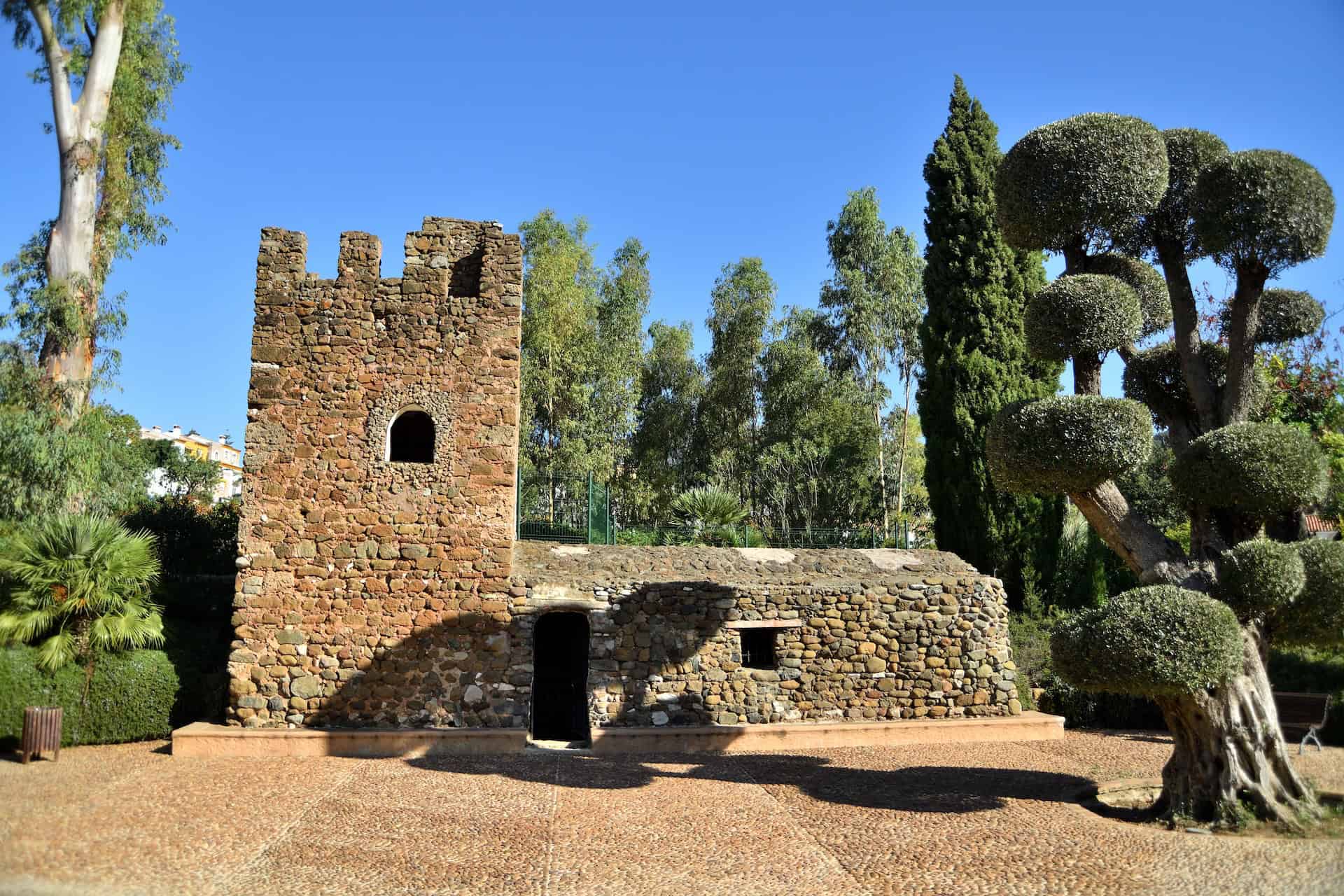
The name Benahavís derives from the Arabic Benahabís — meaning something close to "the sons of the cave dwellers" — and speaks directly to the Moorish origins of the settlement. The village was founded in the 9th century during the period of Arab rule over Andalucía, and the imprint of that period is still clearly visible in the maze of narrow streets and whitewashed facades that characterise the historic centre. The Moorish watchtower that stands above the village is one of the most visible reminders of a strategic past: the position gave excellent sightlines over the river valleys below and toward the coast.

Following the Christian Reconquest of the region in the 15th century, Benahavís passed through a long period of relatively quiet agricultural existence. The land was fertile, the rivers — the Guadalmina, Guadaiza and Guadalmansa — reliable, and the natural position in the hills gave the village a degree of isolation that preserved its character well into the modern period.

The transformation of the wider municipality from agricultural land into one of Europe's most prestigious residential zones began in the 1960s and accelerated through the 1980s and 1990s. Golf courses arrived first — Los Arqueros, La Quinta, the Flamingos, Los Arqueros — followed by the gated residential communities that developed around them. La Zagaleta, the most significant of these, was established in 1991 on land that had previously served as a private hunting estate. Its development, and that of El Madroñal and the other major estates, transformed the economic profile of Benahavís from a quiet rural municipality into one of the most affluent in the country.

04

The Municipality Today

Benahavís today is a municipality of two very distinct worlds that coexist with minimal friction. The village — population a few thousand, entirely Spanish in character, quiet on weekday mornings and animated on weekend lunchtimes — functions as a genuine small Andalucian town. Its restaurants, its local fiestas, its school and its townhall operate on a human scale that is almost entirely removed from the luxury residential world that surrounds it.

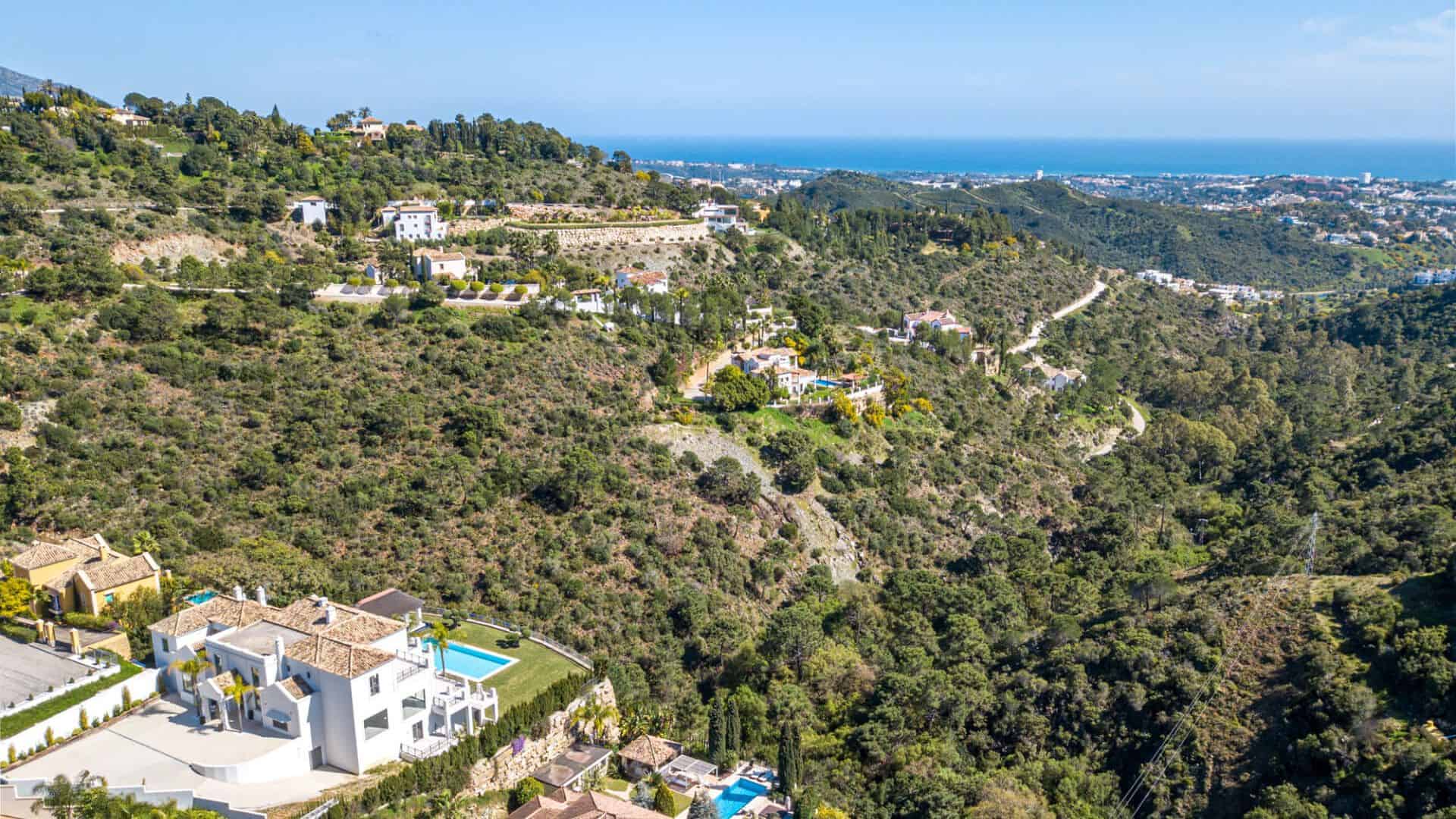
That world — the gated estates, the golf courses, the high-end developments — represents the economic engine of the municipality and the reason it ranks among the richest in Spain. Approximately 75% of the total land area remains protected from development, a planning framework that has preserved the natural landscape and, in doing so, protected the very qualities that make the area so appealing to buyers. Low density, clean air, pine forests, mountain views, silence — these are not marketing descriptions but accurate characterisations of daily life across most of the municipality.

The resident population is significantly international, and the permanent community has grown over the past decade as buyers who previously used their properties seasonally have shifted to year-round occupation. This shift has driven improvements in local services, additional restaurant openings in the village, and a broader sense of the municipality as a place where a complete life — not just a leisure life — can be lived.

05

Urbanisations & Estates

Urbanisations and estates in Benahavís

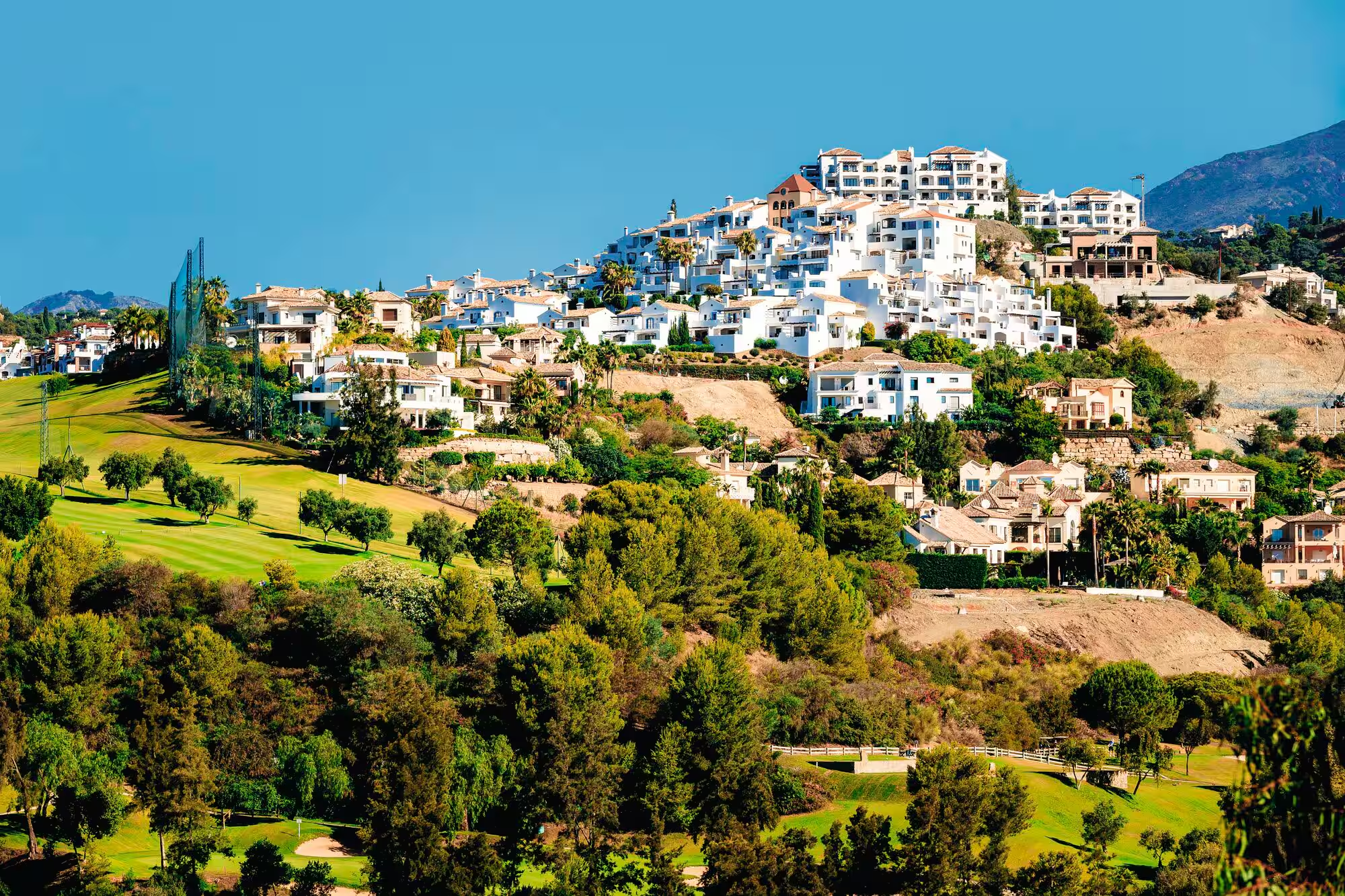
The Benahavís municipality contains a wider range of distinct residential addresses than almost any comparable area on the Costa del Sol. Understanding the differences between them is essential for any buyer approaching this market.

La Zagaleta
Europe's most exclusive gated community — 900 hectares of protected woodland in the hills above the coast, home to around 250 private residences, two private golf courses, and an infrastructure of private amenities that is unmatched anywhere on the peninsula. Entry-level properties begin above €4.5M; the finest estates reach €30M or more. A separate guide covers La Zagaleta in full detail.

El Madroñal
One of the oldest and most established gated communities in the municipality — a serene enclave of large villa plots set in mature oak and pine woodland. El Madroñal is quieter and more understated than La Zagaleta, with fewer amenities but an exceptionally peaceful character that has kept its original buyers — and their families — loyal across generations. Properties range from €2M to €10M and above for the finest estates.

La Quinta
A well-developed and self-contained community built around La Quinta Golf & Country Club, with a mix of villas, townhouses and apartments across a wide price range. La Quinta offers a more accessible entry point into the Benahavís market than La Zagaleta or El Madroñal, with strong golf infrastructure, a hotel and a lively social scene anchored by the club. Popular with families and golf-focused buyers.

Los Arqueros
Designed in part by Severiano Ballesteros, Los Arqueros Golf & Country Club anchors a residential community of villas and apartments at various price points. Well located between the village and the coast, it offers a practical and attractive option for buyers who want golf frontline living within a manageable budget.

Los Flamingos & Marbella Club Golf Resort
Located in the western part of the municipality, toward Estepona, these two estates are centred on the Villa Padierna golf courses and the five-star Anantara Villa Padierna Palace Hotel. The resort offers an exceptional level of amenity — spa, multiple restaurants, golf, tennis — and the associated residential properties range from townhouses to substantial villas in a well-maintained and beautifully landscaped setting.

Monte Mayor (Montemayor)
One of the most elevated and panoramic communities in the municipality, Monte Mayor sits high in the hills with views that extend from the Sierra Nevada across the Strait to the African coastline on clear days. A smaller, more intimate estate of villa plots, it appeals to buyers who prioritise the extraordinary natural setting above all else.

La Alquería & La Heredia
More recently developed communities offering a range of contemporary villas and apartments at relatively accessible price points for the area. La Alquería in particular has seen strong new-build activity and provides an entry point into the Benahavís municipality for buyers whose budget is in the €600K–€2M range.

06

The Village

Benahavís village

The village of Benahavís is the kind of place that reminds you why Andalucía has been drawing people from the north for centuries. Its streets are narrow, flower-lined and quiet for most of the week. The Moorish watchtower stands above the rooftops. The sound of the Guadalmina river carries up from the valley below. On a weekday morning, it could be any century.

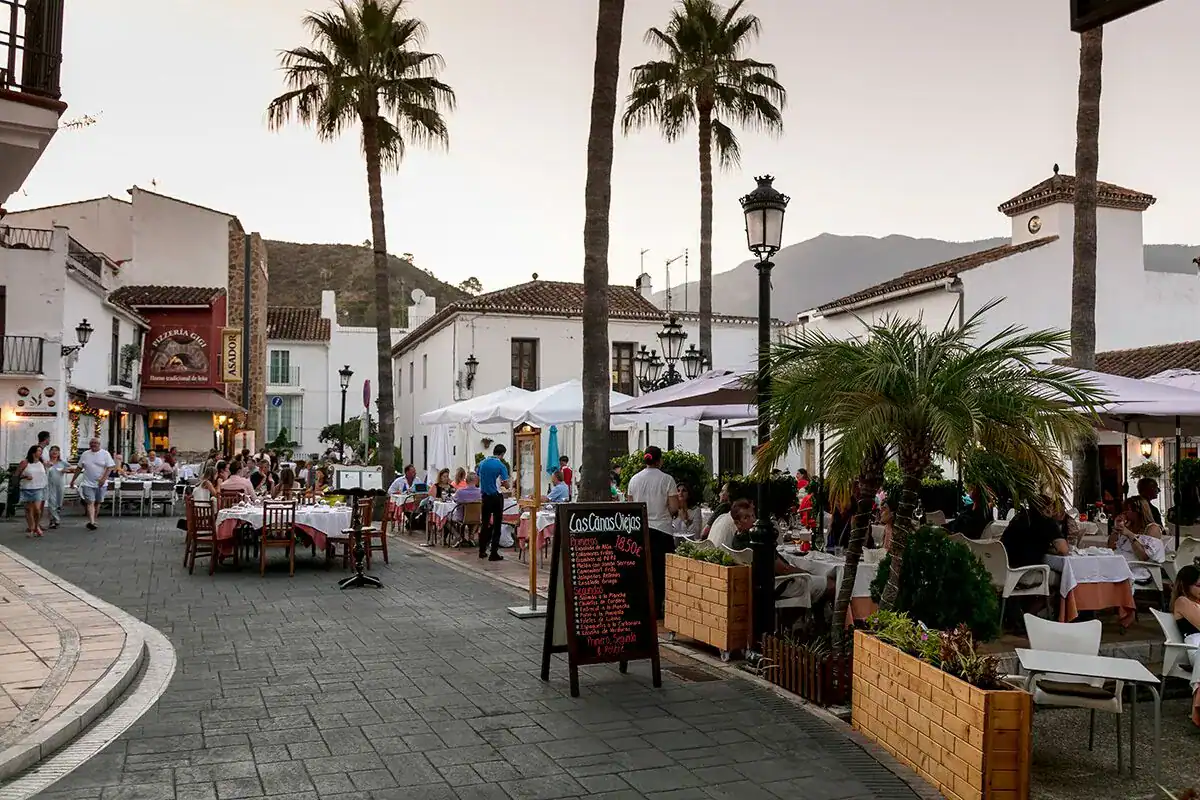
At weekends — and increasingly on weekday evenings as the permanent resident population has grown — the village animates around its restaurants. Benahavís holds the record for the highest concentration of restaurants per capita of any village in Andalucía, a distinction that reflects both the quality of the local gastronomic tradition and the spending power of the surrounding residential population. The village's main street and its side alleys contain upwards of thirty restaurants, ranging from traditional tapas bars serving local dishes — the marinated pork fillet, the slow-cooked stews — to more contemporary addresses drawing a regional and international clientele.

The village also has a small but active arts scene, anchored by galleries and the culinary arts and hotel management school that has established itself here in recent years. The school's presence gives the village an additional layer of cultural activity and provides a supply of trained hospitality professionals that has, indirectly, raised the standard of service across the local restaurant scene.

Properties within the village itself — traditional townhouses, renovated historic buildings — are occasionally available and represent an entirely different proposition from the estate properties in the surrounding urbanisations: authentically Andalucian, often architecturally interesting, and at a price point well below anything on offer in La Zagaleta or El Madroñal.

07

Property Types

The Benahavís municipality offers the widest spectrum of property types of any single administrative area in this part of the Costa del Sol — from a village townhouse for €300,000 to a La Zagaleta estate at €30M or more. The breadth is unusual and means that the municipality can absorb buyers across almost the entire luxury price range without any single zone of it feeling oversupplied.

Estate villas and trophy properties in La Zagaleta, El Madroñal, Monte Mayor and Marbella Club Golf Resort represent the apex of the market. Large plots — typically 3,000 m² to 15,000 m² or more — with architecturally significant homes, exceptional views, and levels of privacy and security not available anywhere else in the municipality. New build in this category consistently demonstrates some of the most ambitious residential architecture currently being produced in Spain.

Golf frontline villas across La Quinta, Los Arqueros, Los Flamingos and the Marbella Club Golf Resort offer direct fairway views and access to club infrastructure. These vary considerably in age, style and condition — from 1990s properties in need of updating to recently completed contemporary builds — and represent the most actively traded category in the mid-to-upper market.

Townhouses and apartments in La Quinta, Los Arqueros, La Heredia and La Alquería provide a more accessible entry point into the Benahavís lifestyle. Quality has risen substantially in recent years as new-build developers have raised the standard, and the best new-build apartments in well-located communities now compete strongly on specification with equivalent product in Marbella and Nueva Andalucía.

Village properties — townhouses and traditional Andalucian homes within Benahavís itself — occupy a niche category. Rarely traded, often requiring investment, but authentic in a way that is genuinely difficult to replicate and increasingly valued by a buyer profile that prioritises character and rootedness over amenity and modernity.

08

Property Prices

From €400K

entry level (apartment)

€1.5M–€6M

mid-range (villa)

€30M+

top end (La Zagaleta)

Given the breadth of the municipality, price ranges in Benahavís are wider than in almost any other area covered in these guides. At the entry level, apartments in La Alquería, La Heredia and Los Arqueros begin from around €400,000 for well-finished two-bedroom properties. Townhouses in established golf communities — La Quinta, Los Flamingos — typically range from €600,000 to €1.5M depending on size, condition and position.

Detached villas span an enormous range. Older golf frontline villas in communities such as Los Arqueros and La Quinta begin from around €1.5M and rise to €5M–€6M for well-renovated or recently built properties in strong positions. In El Madroñal, properties rarely come below €2.5M and reach €10M or more for the finest estates. In Monte Mayor, the combination of extreme elevation and panoramic views commands a premium over comparable square metreage at lower altitudes.

La Zagaleta operates in a category of its own — see the dedicated La Zagaleta guide for current pricing detail. For reference, villa prices in La Zagaleta currently begin from around €4.8M and the market's active upper end extends well beyond €20M.

The municipality's overall price trajectory has been strongly positive over the past five years, driven by the same internationalisation of demand and post-pandemic lifestyle shift that has underpinned the wider Marbella market — but amplified here by the additional scarcity premium of low-density protected land.

09

Rental Market

The Benahavís rental market is smaller in volume than the coastal Marbella market but operates at a high average value, particularly in the estate and trophy villa segment. Demand for short-term holiday rentals in properties across La Zagaleta, El Madroñal and the golf estates is primarily driven by golf-focused groups and high-net-worth families seeking privacy and space — a profile that generates strong weekly rates in the May–October period.

Within La Zagaleta specifically, short-term rentals are subject to the estate's own community regulations as well as the standard Junta de Andalucía VFT licensing requirement. Potential rental investors should review both sets of requirements before committing to a purchase — La Zagaleta's community rules in particular are more prescriptive than those of most other areas on the coast.

The long-term rental market in communities such as La Quinta, Los Arqueros and La Alquería is active year-round, fed by families with children in local and Marbella-area international schools, professionals working across the western Costa del Sol, and increasingly by remote workers and entrepreneurs who have chosen the Benahavís environment as a permanent base. Monthly rents for quality three-bedroom villas across the golf estates range broadly from €3,000 to €8,000.

10

Investment

Benahavís presents a compelling investment case built on structural scarcity. With 75% of the total municipal area protected from development, the supply of new residential land is permanently constrained in a way that planning frameworks elsewhere cannot guarantee. The combination of limited supply, consistent international demand, and the irreplaceable quality of the natural environment has historically supported strong price appreciation and resilience through downturns.

The municipality's fiscal framework adds a further dimension. Benahavís has the lowest IBI (property tax) rates in Spain, and a range of additional fiscal advantages — including reduced municipal charges and development levies — that make the total cost of ownership measurably lower than in comparable Marbella locations. For buyers holding significant property assets, this difference is not trivial over a holding period of ten years or more.

New build across the municipality — particularly in La Alquería, La Heredia and the newer sectors of La Quinta — has attracted strong developer interest and buyer appetite, with well-located new product typically pre-selling at pace. At the top end of the market, La Zagaleta's continued evolution under its new ownership (Modon Holding, since December 2024) — including planned hotel development and careful new villa releases — is likely to sustain and potentially enhance values across the estate in coming years.

11

Lifestyle & Character

Lifestyle in Benahavís

The Benahavís lifestyle is defined primarily by its relationship to the natural world. Mornings here have a quality that is simply not available on the coast: cleaner air, the sound of birds rather than traffic, the particular light of the hills at dawn moving across pine-forested slopes. It is a place where the outdoor genuinely dominates daily existence — not as an aspiration, but as a natural consequence of the environment.

Golf occupies the social and leisure calendar in a way that is even more pronounced than in the golf valleys of Nueva Andalucía. Many residents play several times a week and organise their social lives around the club structures — the La Quinta club restaurant, the Los Arqueros terrace, the La Zagaleta clubhouse (for those with access). The golf courses are also, in a practical sense, the neighbourhood parks: the greenery of the fairways and the wildlife that inhabits the undeveloped margins of the courses are part of the daily visual landscape.

Weekend lunches in the village are a cornerstone of Benahavís social life, drawing residents from across the municipality and visitors from Marbella and the wider coast. The concentration of excellent restaurants in a compact, walkable village setting gives these occasions a quality that beach restaurant equivalents rarely match — the cooking is more traditional, the pace more unhurried, the atmosphere more genuinely Andalucian.

The proximity to Marbella and Puerto Banús means that the full range of coastal amenity — beaches, beach clubs, marina, nightlife — is accessible within 15–20 minutes whenever the mood calls for it. Residents here tend to describe the relationship with the coast as something they choose to engage with selectively rather than something they need daily. The hills provide what the coast cannot: peace, space and a quality of natural environment that money can buy elsewhere but rarely does at this level of consistency.

12

Golf

Golf in Benahavís

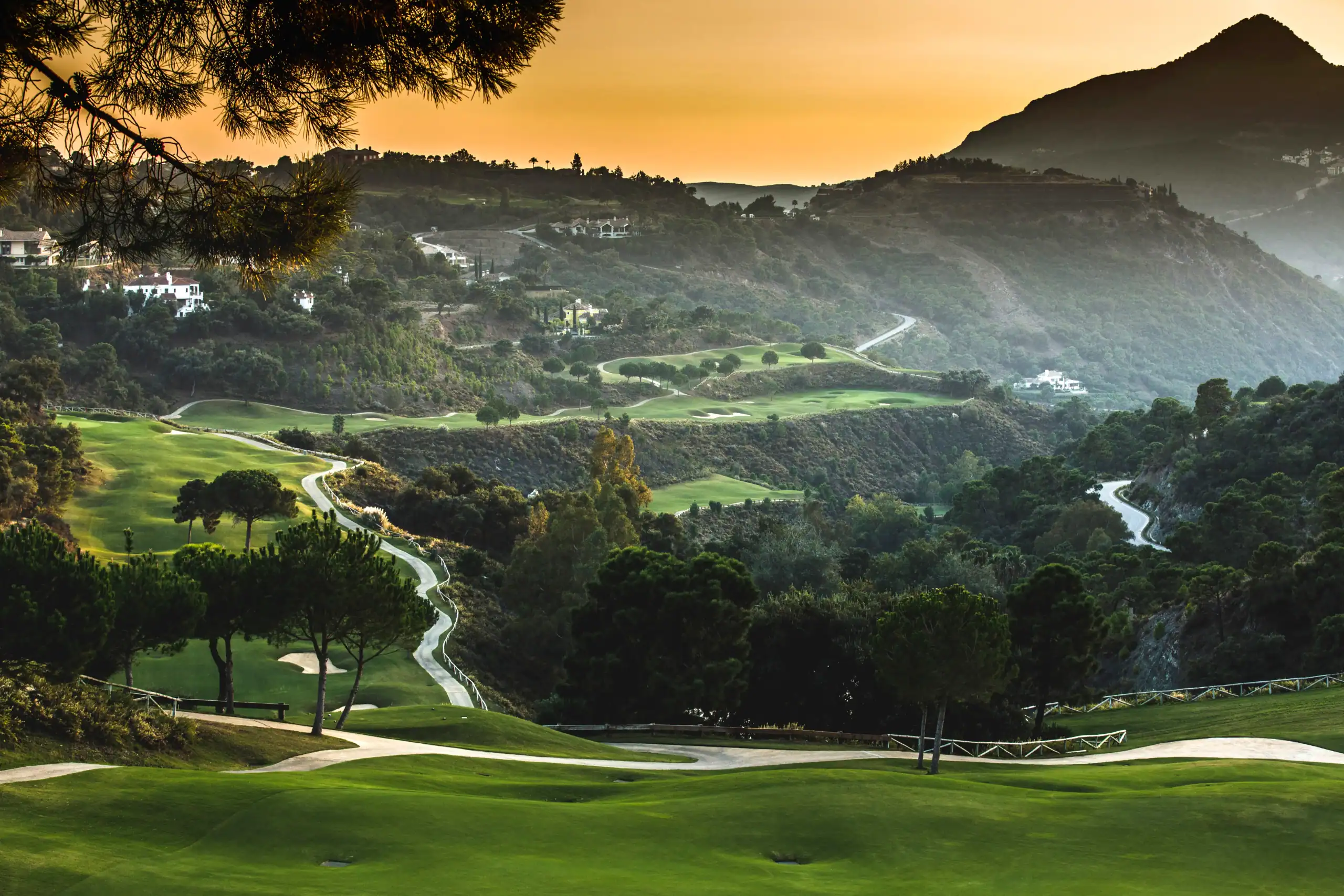
Benahavís contains 12 golf courses — 216 holes in total — making it the second municipality in Spain with the highest concentration of golf, surpassed only by Marbella itself. Together with Marbella and Estepona, it forms the Golden Triangle of Spanish golf, one of the most celebrated golfing destinations in Europe. For residents, this density of courses means genuine variety: different styles, different challenges and different social environments within 15 minutes of home.

La Zagaleta Golf & Country Club operates two private 18-hole courses — the Old Course (par-72, designed by Brad Benz, redesigned by Marc Westenborg in 2016) and the New Course (par-70, inaugurated 2005). Both are available exclusively to residents and their guests, making them among the most private golf facilities in Spain.

La Quinta Golf & Country Club is one of the most popular courses in the municipality, a 27-hole layout (three 9-hole loops) that provides flexibility for players of all handicaps. The club's restaurant and social facilities are a genuine hub of community life within the La Quinta estate.

Los Arqueros Golf & Country Club was co-designed by Severiano Ballesteros and opened in 1991. A par-71 course that makes excellent use of its mountainous terrain, it is considered one of the more visually spectacular in the region. The clubhouse and facilities serve both members and visitors.

Villa Padierna Golf Club (formerly Flamingos) comprises three 18-hole courses — Flamingos, Alferini and Lagartera — set within the Villa Padierna resort in the western part of the municipality. The quality of the courses and their integration with the five-star hotel infrastructure make this one of the more complete golf resort experiences on the Costa del Sol.

Marbella Club Golf Resort offers an 18-hole course within an equally well-appointed residential and hotel setting. Club de Golf El Higueral and the courses within Monte Mayor and other communities add further variety across the eastern and central parts of the municipality.

13

Nature & Outdoor Life

With 75% of the municipal territory protected from development, Benahavís offers an access to genuine natural landscape that is exceptional anywhere in the Costa del Sol — and increasingly rare across southern Spain as a whole. The hillsides above the residential estates are densely forested with pine, cork oak, chestnut and wild olive, crossed by rivers and home to a rich variety of birdlife including eagles, kites and owls.

The three rivers that pass through the municipality — the Guadalmina, the Guadaiza and the Guadalmansa — are clean, relatively fast-moving mountain streams, and the valleys they carve provide some of the most dramatic walking terrain in the Málaga province. Marked trails exist throughout the municipality, ranging from gentle valley walks accessible from the village to more demanding ascents into the Serranía de Ronda above.

The Serranía de Ronda itself — the mountain range that forms the backdrop to Benahavís — is one of the great unvisited landscapes of southern Spain. Its limestone peaks, its historic hilltop towns (Ronda is around 45 minutes by road), its birdwatching and its caving opportunities make it a genuine wilderness resource for residents who use the mountains actively. Mountain biking, horse riding, rock climbing and trail running all have established communities based in or around Benahavís.

The juxtaposition of this natural environment with the luxury residential world of the gated estates is the defining quality of Benahavís — and the one that most clearly differentiates it from any coastal or urban luxury address. There is no equivalent anywhere on the Costa del Sol of waking up inside a La Zagaleta or El Madroñal estate with 900 hectares of protected woodland as your immediate neighbour.

14

Dining

Benahavís village holds an unusual and well-deserved distinction: it has more restaurants per square kilometre than any other village in Andalucía, and its gastronomic reputation extends well beyond the municipality. The title "Dining Room of the Costa del Sol" has been applied to it by guidebooks and journalists for decades, and the quality of cooking — particularly for traditional Andalucian and regional mountain cuisine — consistently justifies it.

The village's signature dish is its marinated pork fillet — a recipe that belongs to many of the old local families and that almost every restaurant in the village serves in its own version. Beyond this, the menus lean toward the rich, slow-cooked traditions of the Andalucian interior: game dishes, cured meats, rustic stews, fresh mountain trout. The contrast with the lighter, more international cuisine of the coastal restaurants is stark and deliberate.

Among the most established names: Los Abanicos, one of the village's most popular addresses for regional cooking with a terrace overlooking the valley; Amigos, a long-standing favourite with both residents and visitors; La Escalera and Amanhavis for more refined dining in attractive settings; and Alcuzcuz Gallery, which combines a restaurant with an art gallery in a building that is itself worth visiting. Breathe — better known at its Nueva Andalucía location — also has a presence in the area.

The golf club restaurants within La Quinta, Los Arqueros and Villa Padierna provide additional dining options, particularly for residents who want a shorter drive. The Anantara Villa Padierna Palace Hotel's restaurant programme — multiple outlets within a five-star setting — adds a further high-end option in the western part of the municipality.

For everything beyond traditional and local dining, Puerto Banús and Marbella are 15–20 minutes away, providing access to the full international restaurant scene of the coast.

15

Schools & Education

There are no international schools within the Benahavís municipality itself, but the western Costa del Sol's extensive school network is easily accessible from most of its residential communities. For buyers with children, the school run is a significant practical consideration and one that should be planned carefully given the distances involved in a large inland municipality.

The most proximate international schools are in San Pedro de Alcántara and the adjacent parts of the Marbella municipality. Laude San Pedro International College — offering the British curriculum from 2 to 18 — is approximately 15 minutes from La Quinta and Los Arqueros, making it the most practical choice for families in the central and eastern parts of the municipality. Aloha College in Nueva Andalucía (IB curriculum) is around 20–25 minutes. For families based in the western estates around Los Flamingos and Villa Padierna, Atalaya Colegio Internacional in Estepona is a strong option at a similar distance.

For boarding, Sotogrande International School — one of the most established international boarding schools in Spain — is around 45 minutes along the coast and is chosen by a number of Benahavís families, particularly those with secondary-age children whose parents are based internationally for parts of the year.

16

Healthcare

Healthcare within the Benahavís municipality is limited to a small local health centre in the village serving routine primary care needs. For anything beyond that, residents rely on the well-developed private and public hospital network of the coastal towns.

Hospital Ochoa in Marbella — the main private hospital for the western Costa del Sol — is approximately 25–30 minutes from most parts of the municipality. Hospital Costa del Sol, the public hospital, is of a similar distance. San Pedro de Alcántara has a number of private GP practices, specialist clinics and physiotherapy services that are comfortably accessible for routine appointments. The Anantara Villa Padierna hotel and La Zagaleta's estate infrastructure both provide concierge-level access to medical professionals for their resident communities on an informal but well-established basis.

Private medical insurance is strongly recommended for all non-resident buyers. Given the inland position of most Benahavís estates, awareness of emergency response times is also sensible — the estate security infrastructure at La Zagaleta includes a helipad linked to local hospitals, and several of the larger communities have first-response protocols in place.

17

Taxes & Municipality

Benahavís has established itself as one of the most fiscally attractive municipalities in Spain for property owners, and this forms a meaningful part of its appeal to high-net-worth buyers who are evaluating locations carefully.

The IBI — the annual Spanish property tax, equivalent to council tax — is set at the lowest rate in Spain in Benahavís, significantly below the equivalent in Marbella, Estepona or any of the coastal municipalities. For properties of significant value, this difference accumulates to a material sum over the holding period. The municipality also offers reduced charges on a range of other municipal services and levies, and the local government has historically been responsive and efficient in its dealings with the international resident community.

The planning framework is strict — 75% protected land, low-density development controls, and architectural guidelines within the gated communities — but this strictness is a feature rather than a drawback. It is precisely the discipline of the planning framework that has preserved the environment and, in doing so, protected property values across the municipality.

Buyers should note that while municipal taxes are low, Spanish national taxes on property ownership and transfer apply in full. The standard purchase cost framework — 7% transfer tax on resale, 10% VAT on new build, plus notary and legal fees — is identical to the rest of Andalucía. Independent legal and tax advice from professionals familiar with both Spanish property law and the specific conditions of the Benahavís market is essential before committing to any purchase.

18

Who Lives Here

The resident profile of Benahavís reflects the character of the area: private, internationally sophisticated, and disproportionately weighted toward those for whom the quality of the natural environment is as important as the quality of the property itself. The buyers who choose La Zagaleta or El Madroñal over a Golden Mile beachfront villa are making a deliberate statement about the life they want to live — and the community that forms around that shared sensibility has its own particular social texture.

Historically, Benahavís attracted buyers predominantly from Northern Europe — British, German, Scandinavian, Belgian and Dutch nationalities have all been strongly represented across the golf estate communities since the 1980s and 1990s. The Scandinavian community is particularly embedded, with strong representation in La Quinta, Los Arqueros and the surrounding areas. Swedish residents in particular have been a defining feature of the social landscape here for decades.

In more recent years the profile has broadened substantially. Middle Eastern buyers — drawn initially to La Zagaleta, then to the wider municipality — have become a significant presence. American and Latin American buyers have arrived in growing numbers. Russian and Eastern European communities, historically significant, have shifted in composition but remain present. A growing cohort of Spanish nationals from Madrid and other major cities have discovered Benahavís as a primary or weekend residence that offers the quality of life the coast provides but with genuine mountain and rural character.

The permanent resident community has grown noticeably since 2020, a pattern consistent with the wider post-pandemic shift toward year-round living on the Costa del Sol. In Benahavís, this has translated into busier village restaurants outside the summer season, a more active school-run community at the local and regional international schools, and a general sense that the municipality has moved from a seasonal to a genuinely year-round destination.

19

Buying in Benahavís

Buying property in Benahavís requires an understanding of a market that is structurally different from the coastal Marbella zones. The municipality is large and varied; what is true of the La Zagaleta market is not true of Los Arqueros, and the considerations relevant to a La Quinta apartment purchase are different from those relevant to an El Madroñal villa. A good agent relationship — one built on genuine local knowledge of the specific estates and their community conditions — is more important here than in almost any other area covered in these guides.

The gated communities each have their own governance structures, community rules, and — in some cases — restrictions on rental, usage and architectural modifications that go well beyond the standard Spanish community framework. La Zagaleta, in particular, operates with its own comprehensive set of internal regulations that any buyer must review and accept before proceeding. In El Madroñal, community management is active and has historically maintained high standards; understanding the community fee structure and the obligations it entails is essential before exchange.

Planning and legal due diligence is as important here as anywhere in the Marbella region, and arguably more so given the complex history of development in some of the municipality's older urbanisations. Independent legal advice from a solicitor with specific Benahavís experience — not simply a general Costa del Sol property lawyer — is strongly advised. The municipality's own planning records are well maintained, but interpreting them correctly requires expertise.

Purchase costs follow the standard Andalucían framework: 7% transfer tax on resale properties, 10% VAT on new build, plus notary, land registry and legal fees totalling approximately 10–12% of the purchase price. Non-resident buyers require a NIE (Número de Identificación de Extranjero) before completion and are advised to open a Spanish bank account early in the process. We are happy to guide you through every stage from initial search to completion.

Verdin Property

Interested in Benahavís? Let's talk.

Get in touch